
 Русский
 Français
 Chinese
Results of a Three-Day Workshop in Irkutsk
The IX-th annual three-day workshop on Control and Diagnostics of High-Voltage Electric Equipment for specialists of the electric power industry terminated on April 6.
This year workshop was attended by engineers, foreman and electricians of Joint-Stock Company Tyumenenergo of Surgut, Nefteyugansk and Noyabrskiye electric networks, specialists of CJSC INESS, LLC Gazprom Pererabotka, OJSC Sibir-Polymetals, representatives from OJSC IESK Southern Networks, and from JSC Energy Technologies.
The first day was devoted to theory. SKB EP specialists delivered main methods of early detection of defects in the mechanisms of high-voltage (HV) circuit breakers and transformers, theoretical principles of HV equipment diagnosis using the SKB EP instruments, and made attendees familiar with the latest theoretical developments of the Company focusing on their advantages over similar instruments.
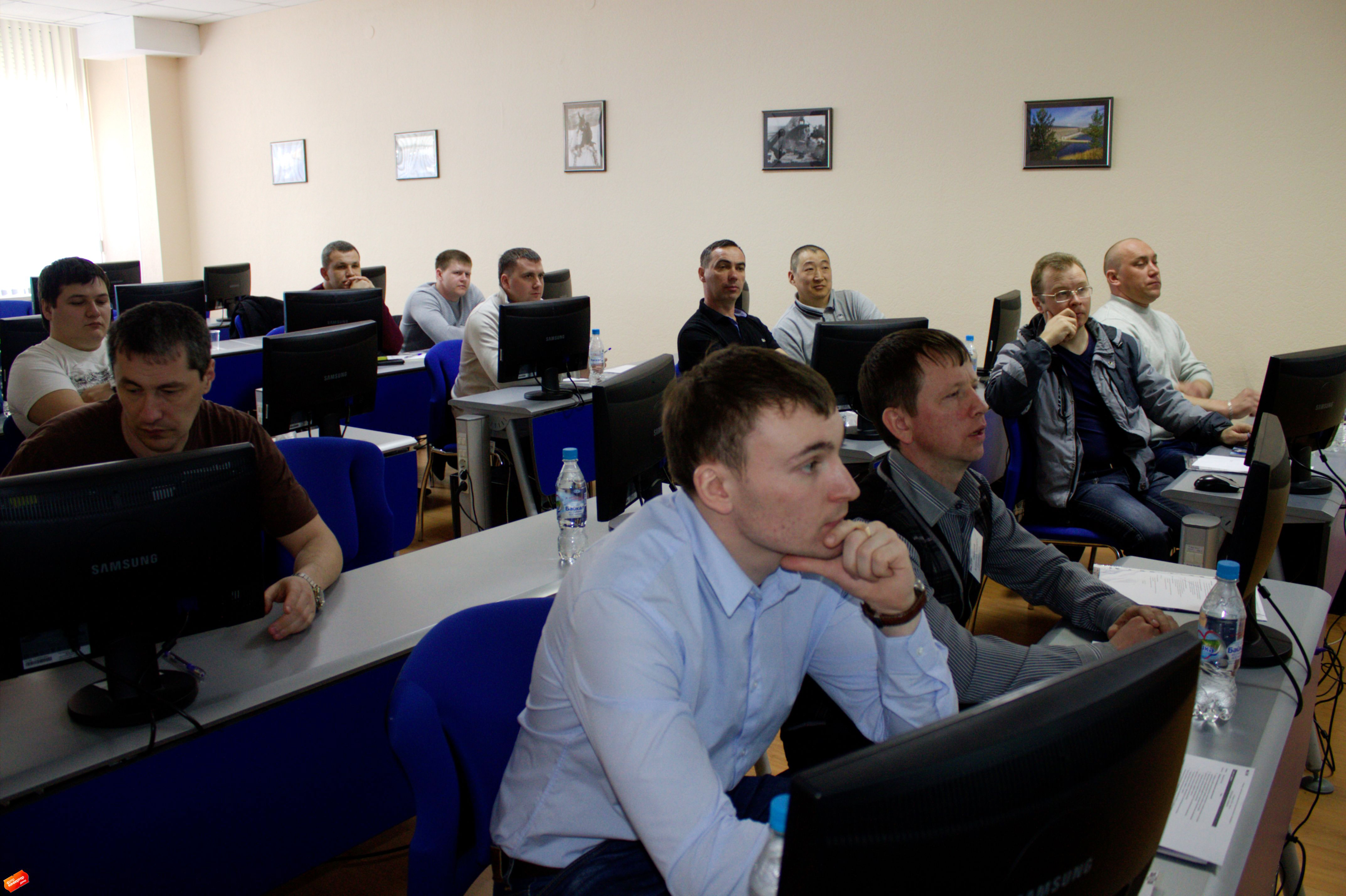
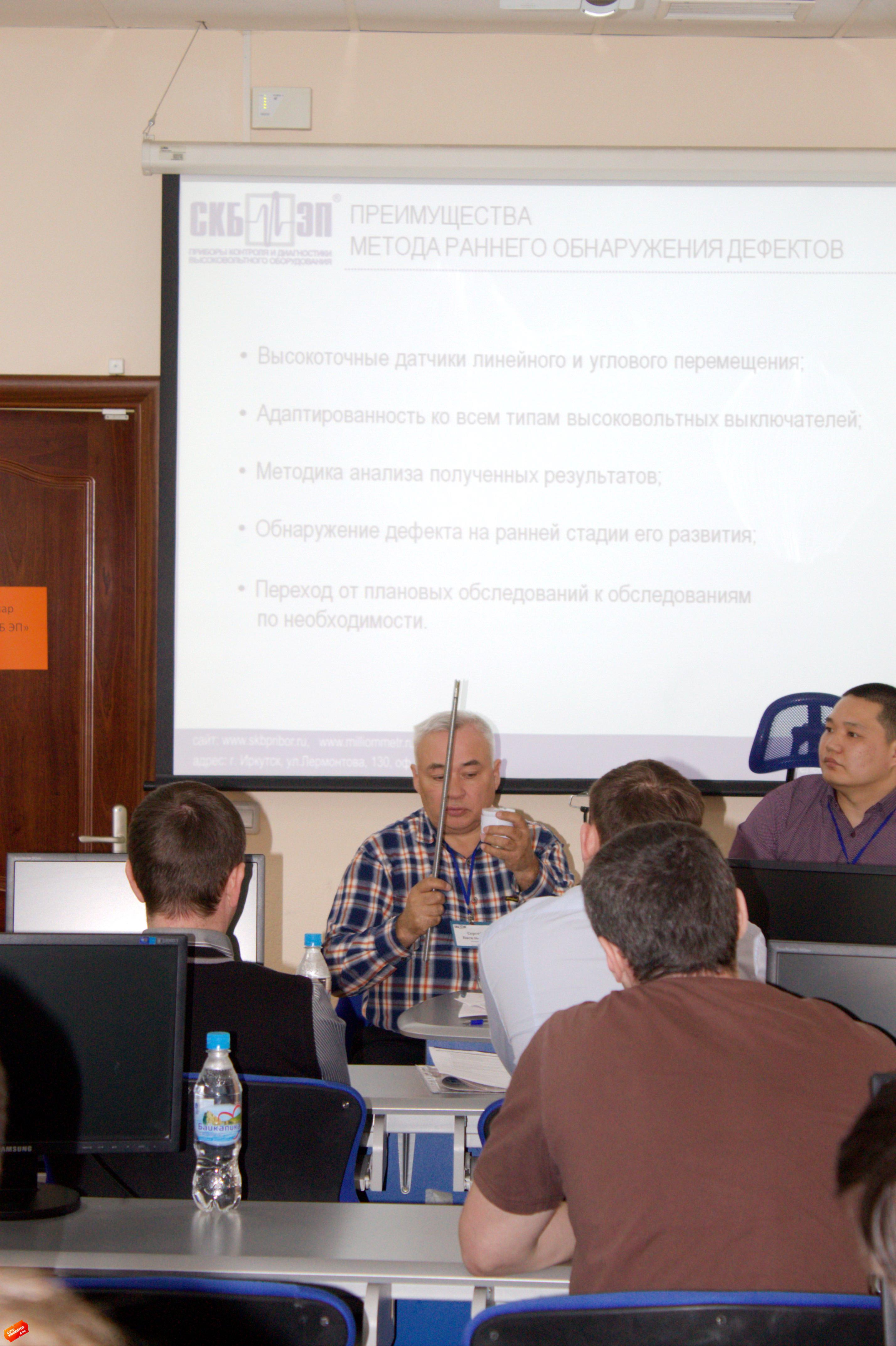
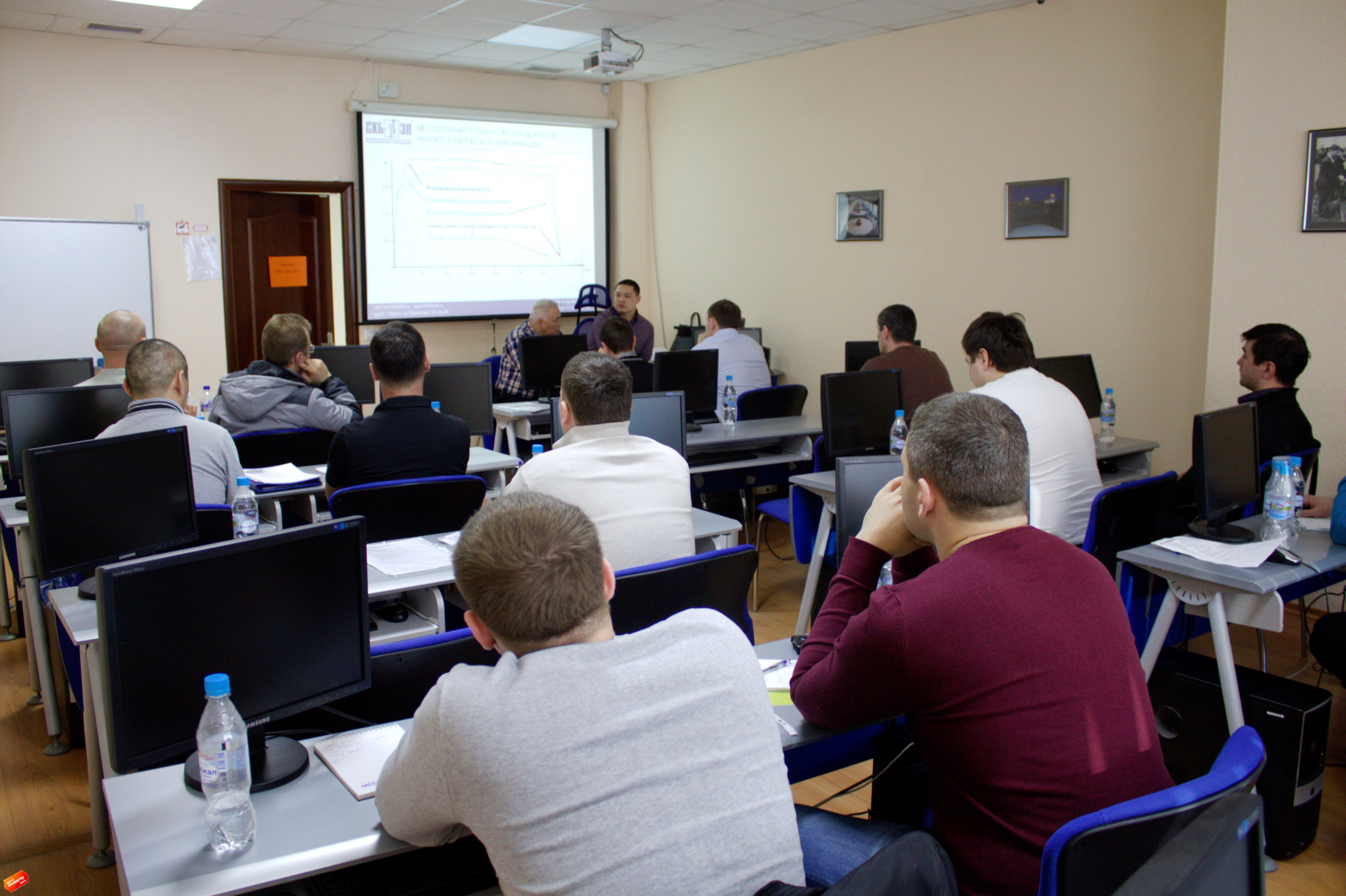
Day 1: Theoretical course
Day 2: Practical use of instruments for HV circuit breakers testing on simulators, making familiar with the family of analyzers. The attendants could get familiar with the equipment in operation, could assess capabilities of the software, they were trained to interpret the results of measurements obtained by practically all the instruments manufactured by SKB EP.
Coaches of the Workshop made the attendants familiar with peculiarities of adjustment and demonstrated capabilities of the software of the instruments of the PKV family. Consideration was given to the main defects that can be detected in the course of graphs interpretation using overlapping. Each user could make measurements on the HV circuit breaker simulator and document its own protocol following the results of measurements.
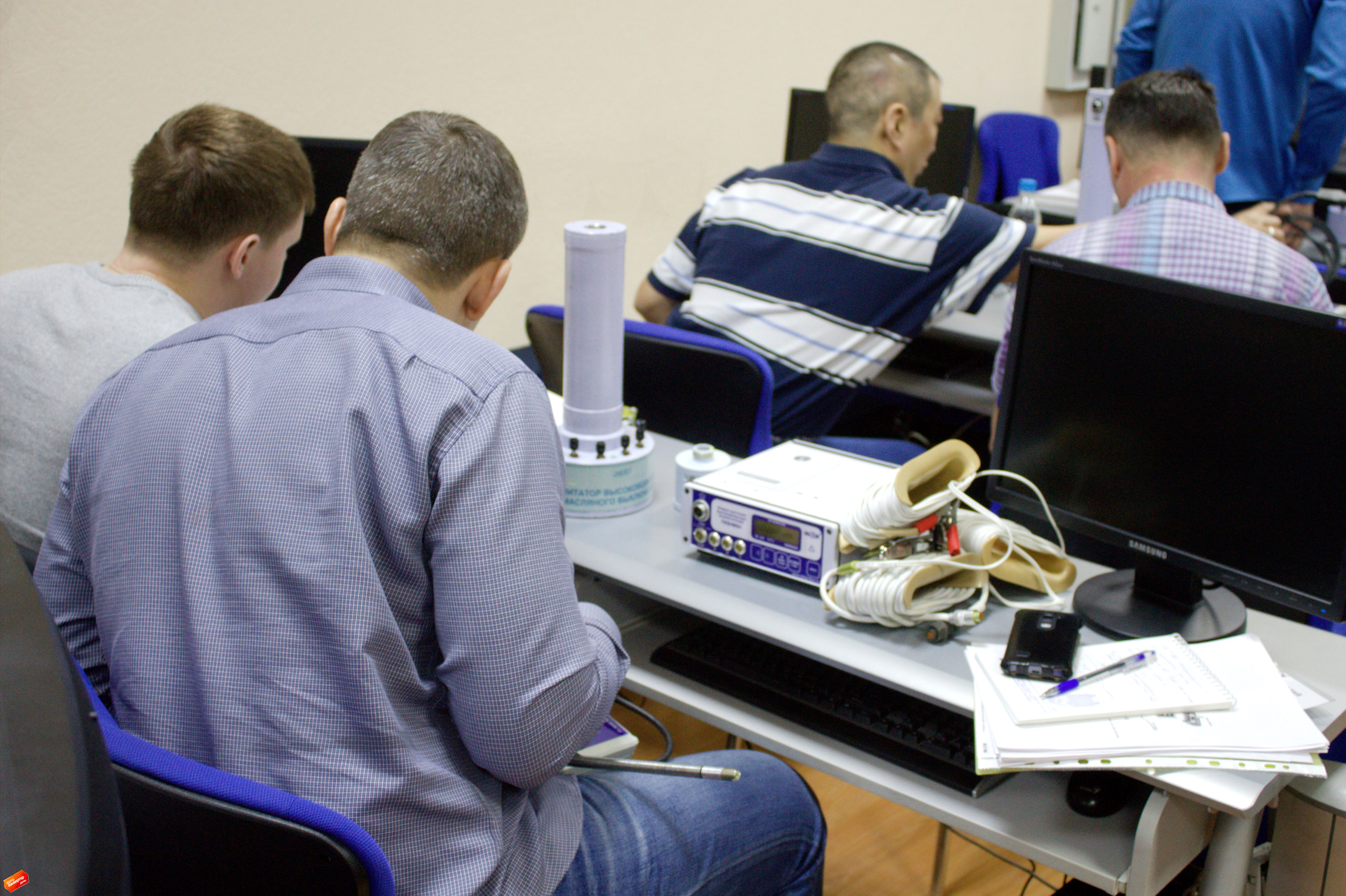
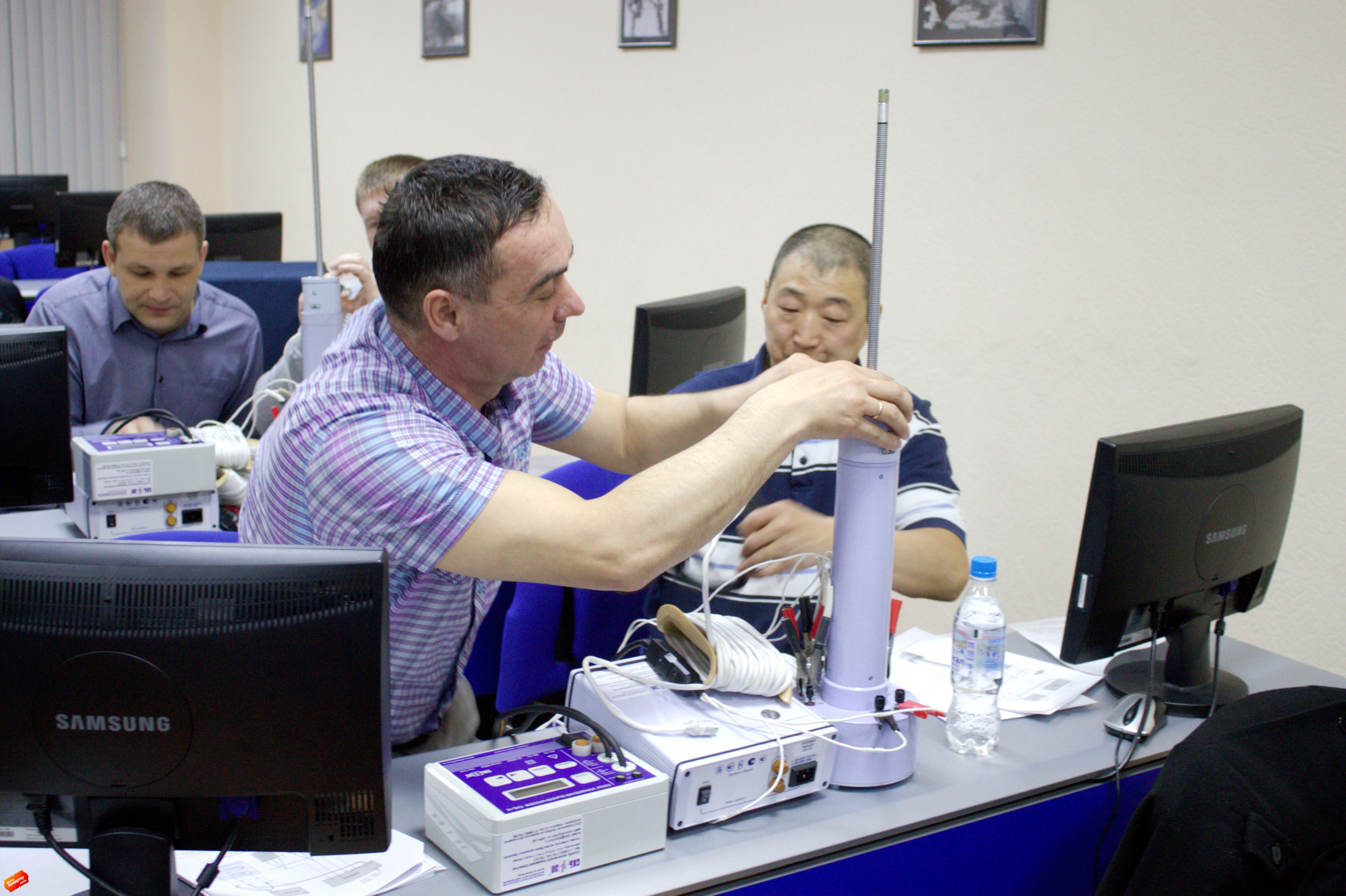
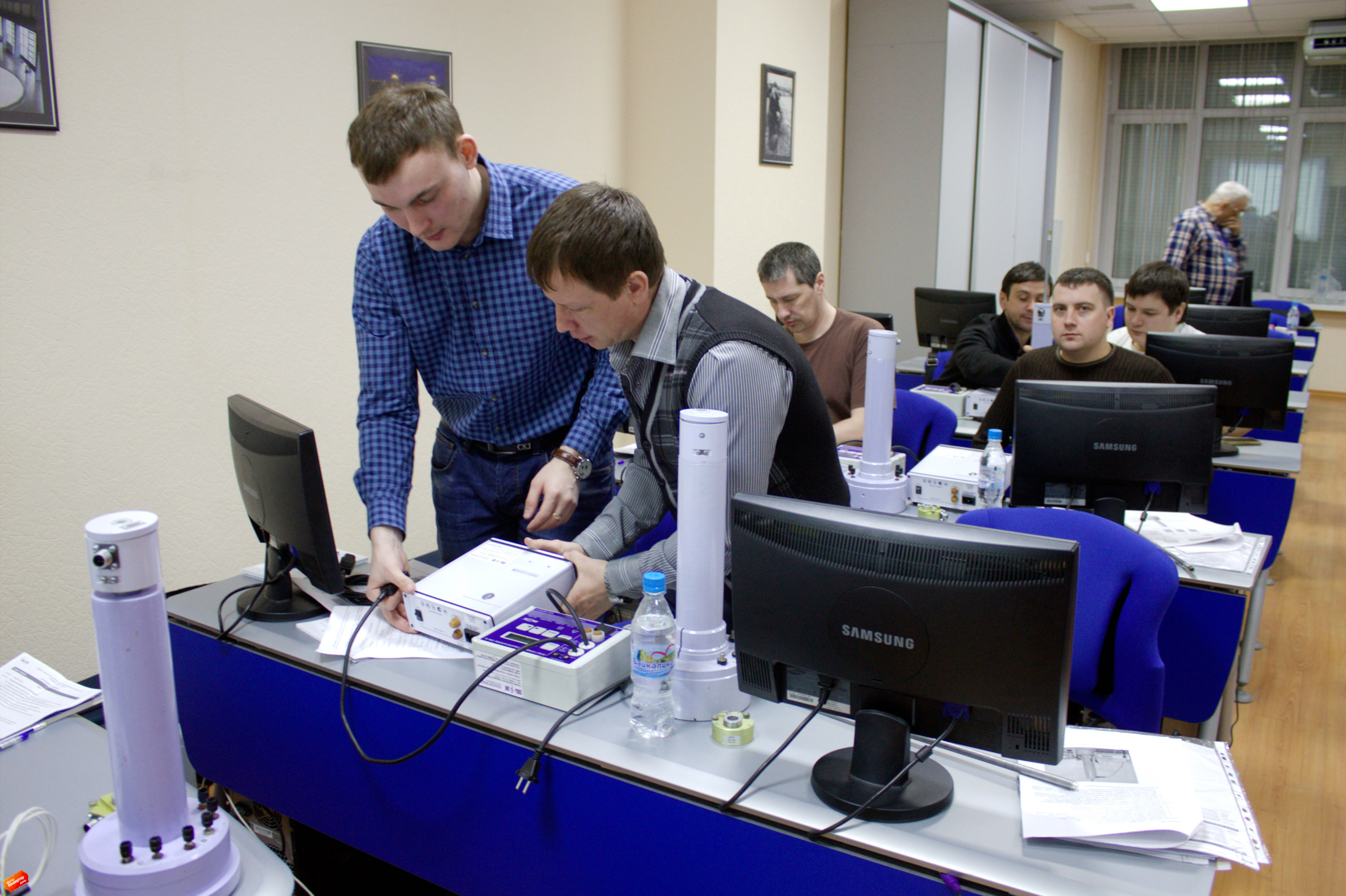
Day 2: Practical training on the HV circuit breaker simulators.
Preparatory stage.
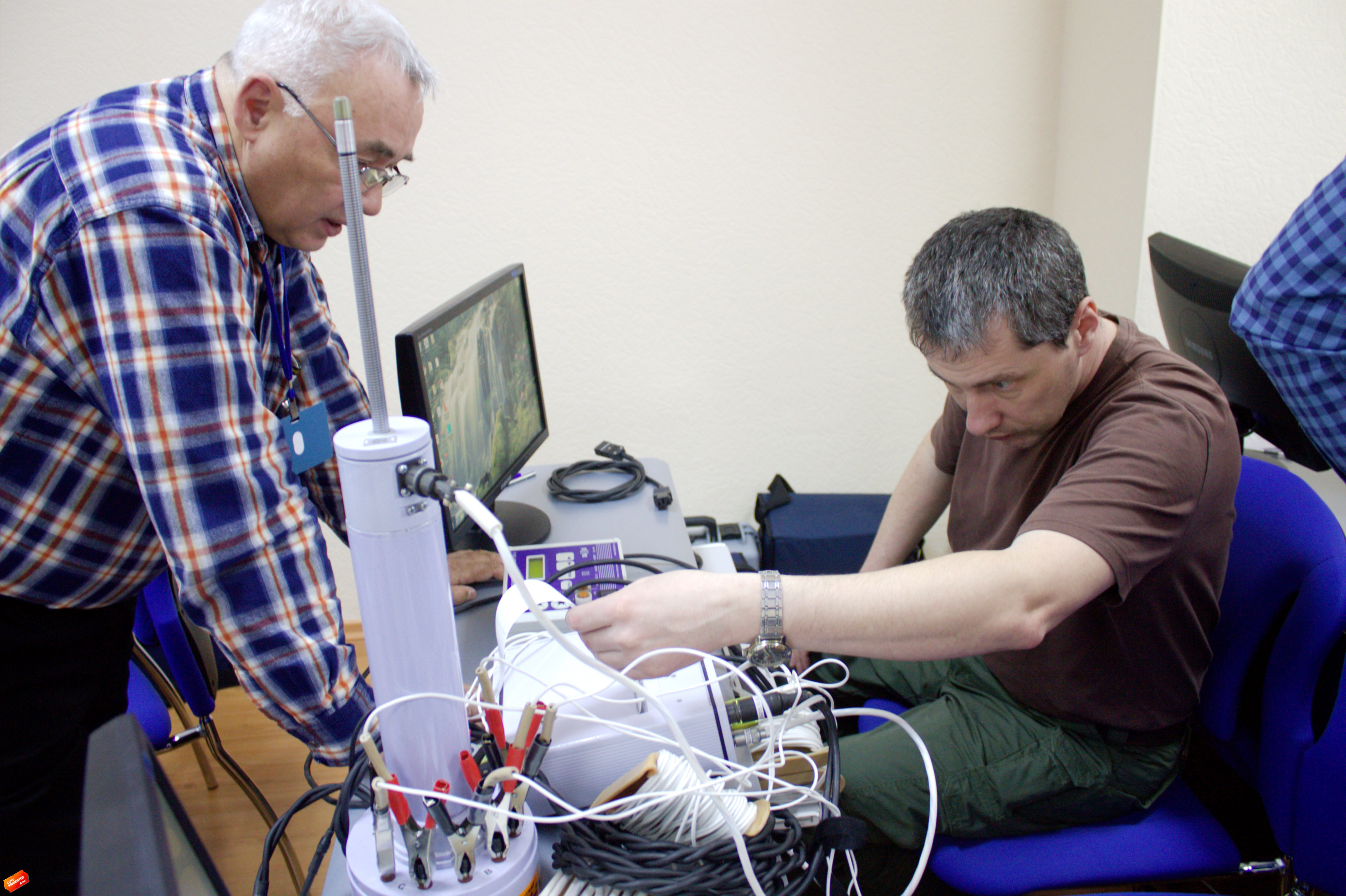
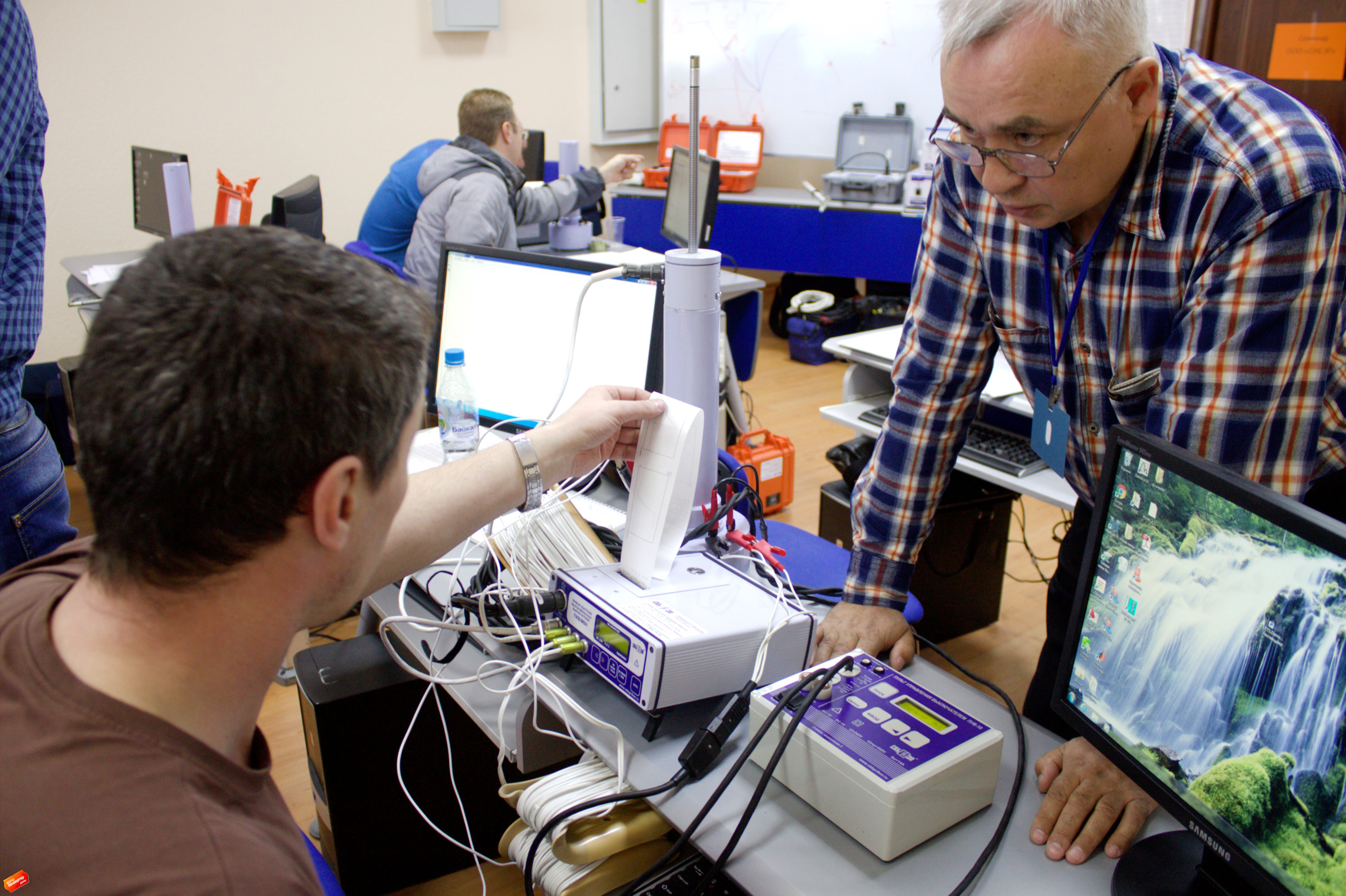
Day 2: Practical training on the HV circuit breaker simulators.
Use of the PKV/M6N analyzer.
The PKV/M7 analyzer turned out to be the most popular instrument. Some of the attendantshave been working with the analyzer for several years, others procured it recently. There were some questions, but almost all the participants had a unanimous opinion on the analyzer advantages:
- The instrument is easy to use and functional;
- It allows control of the main performances of HV circuit breakers;
- It allows diagnosis based on the graphic data (both on the instrument and on the PC);
- Well-developed software allows creation of measurement templates and reports in any form;
- It can be adapted to any weather conditions.
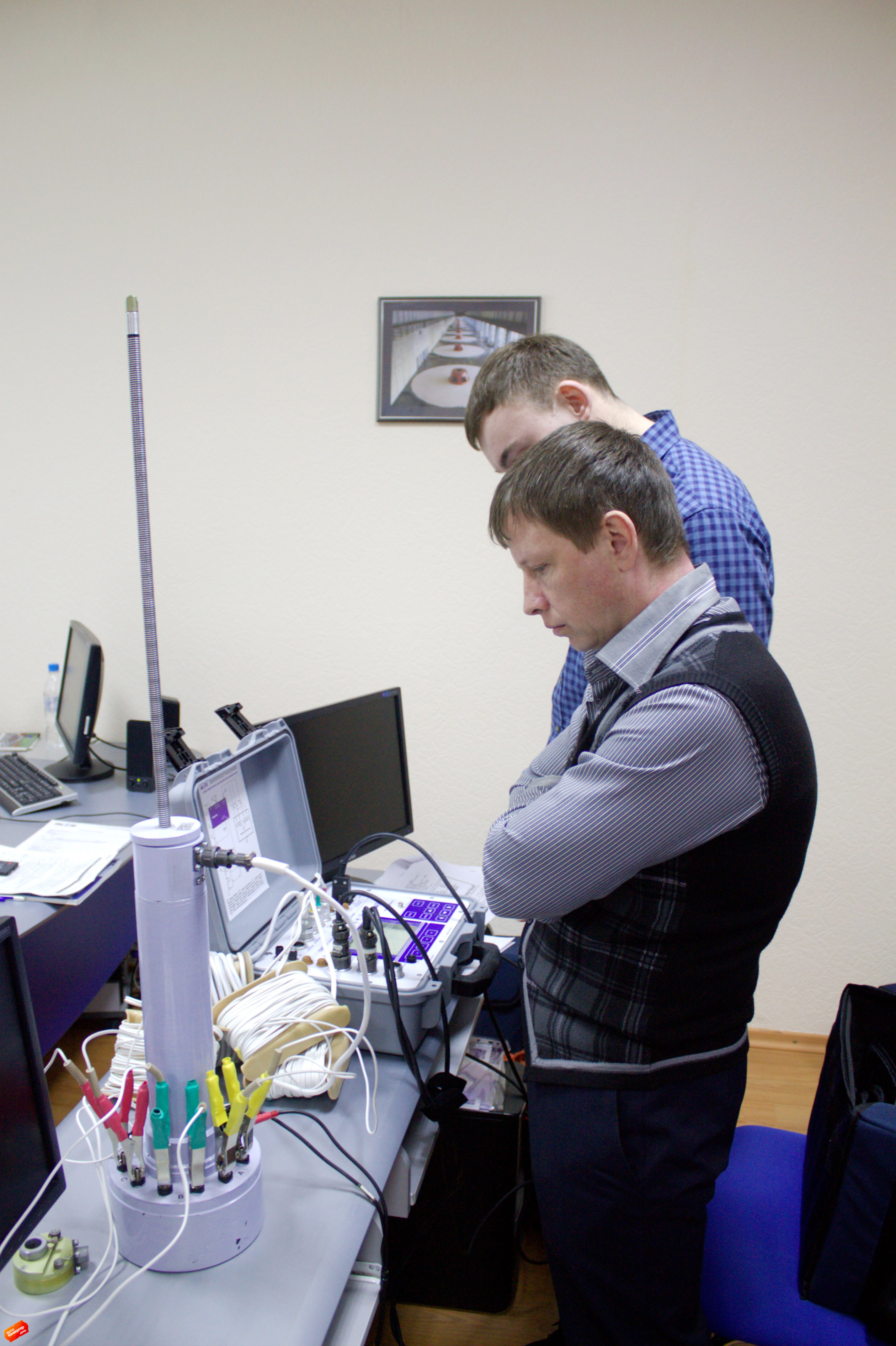
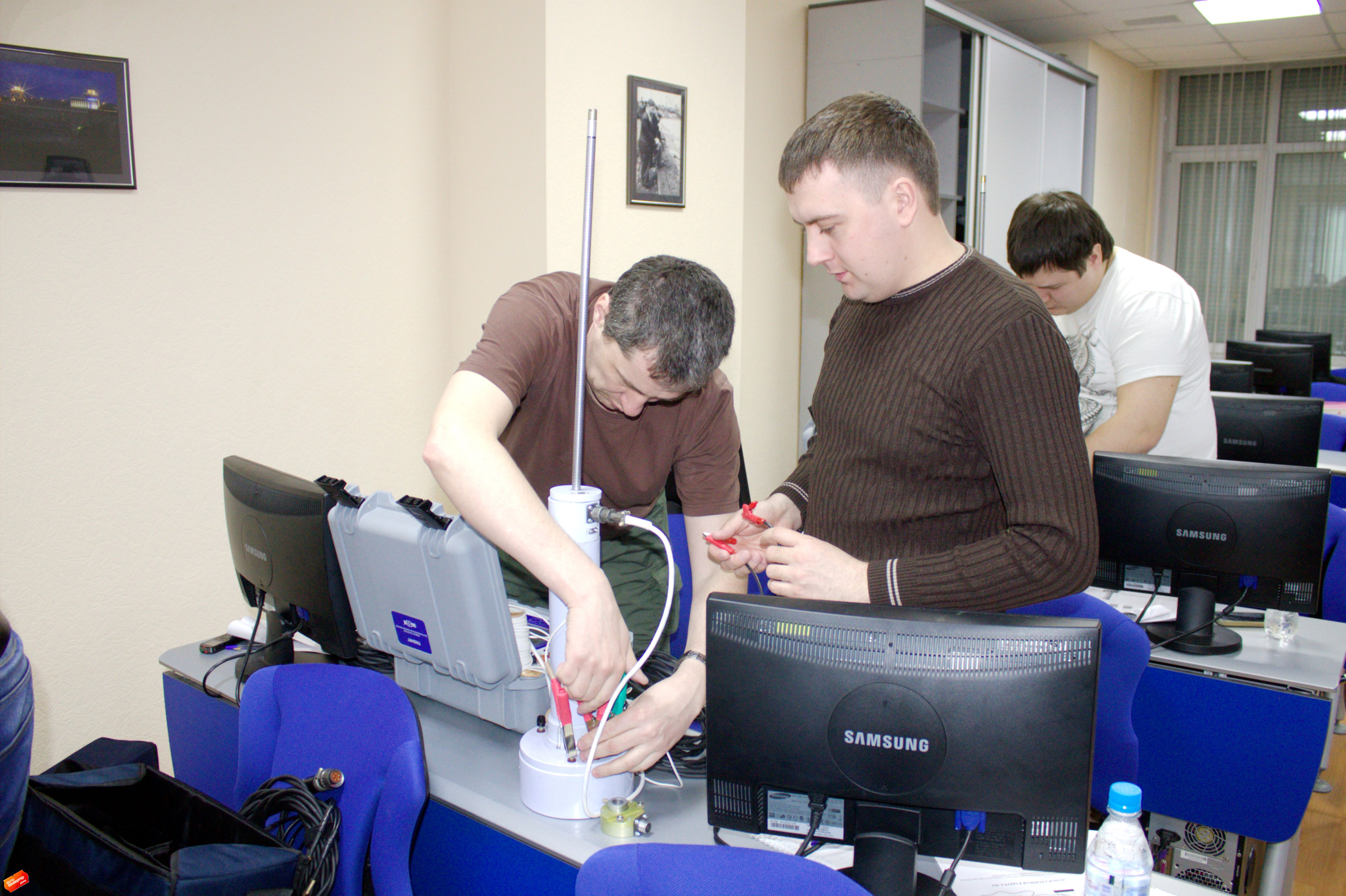
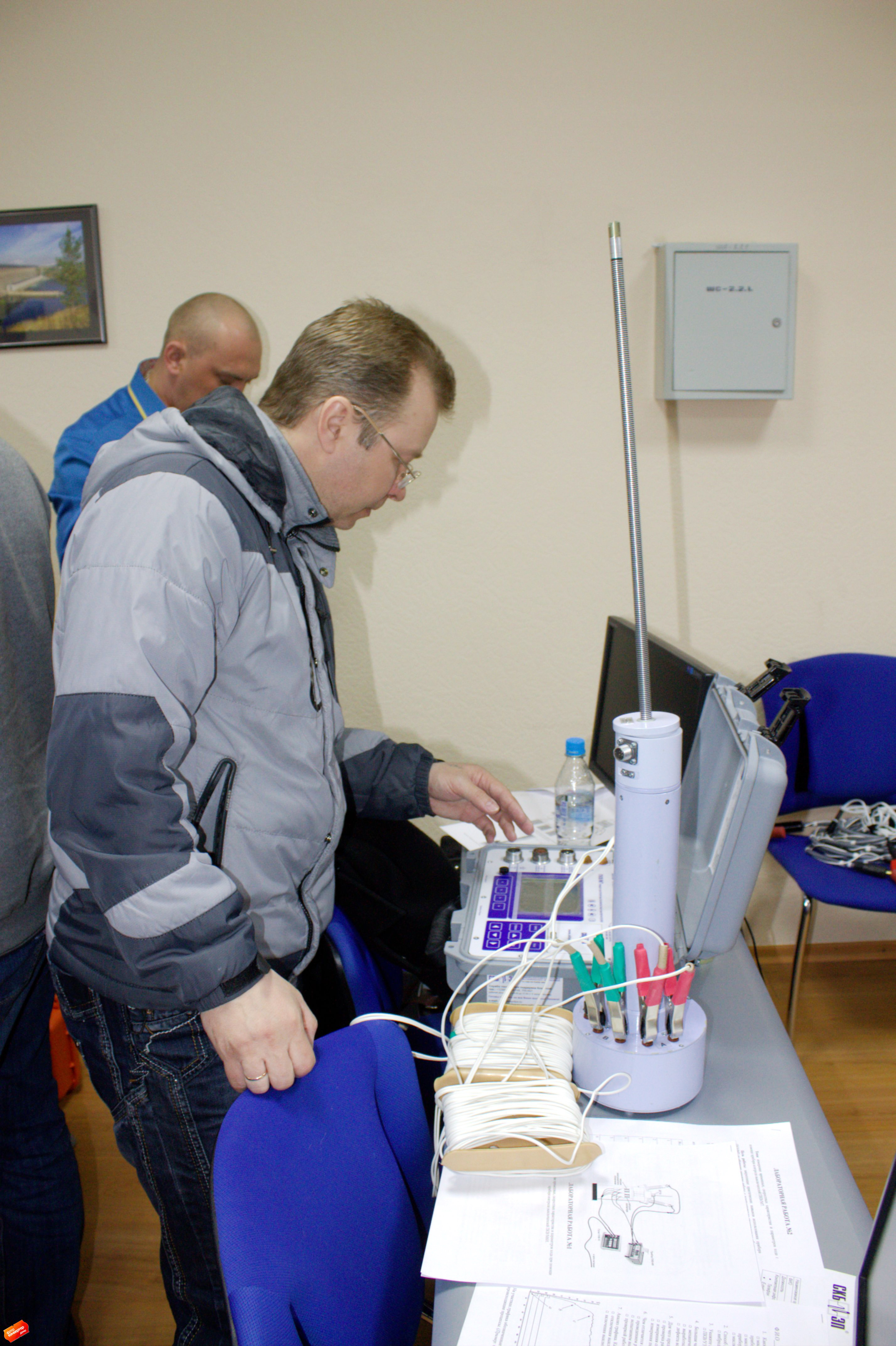
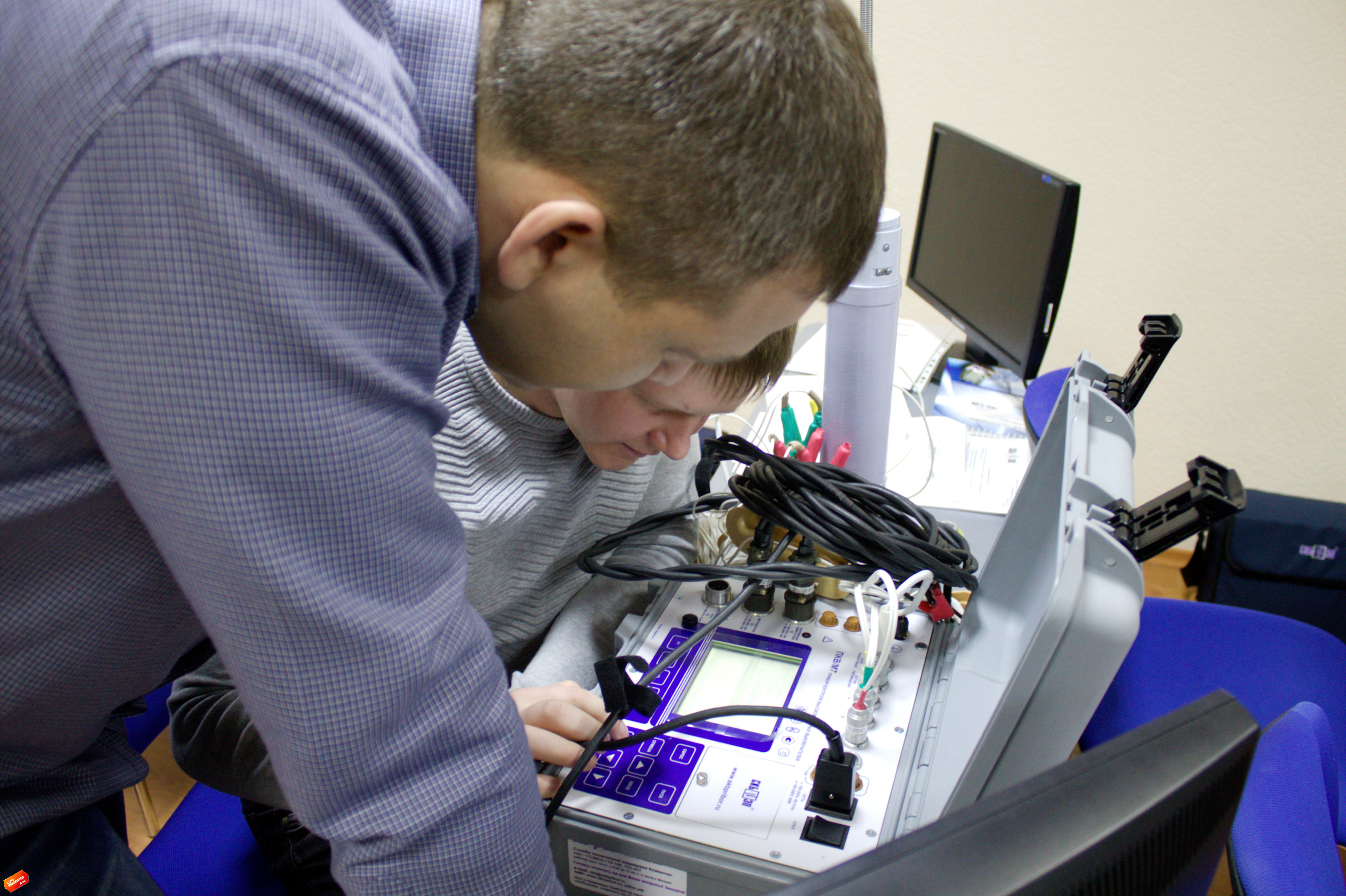
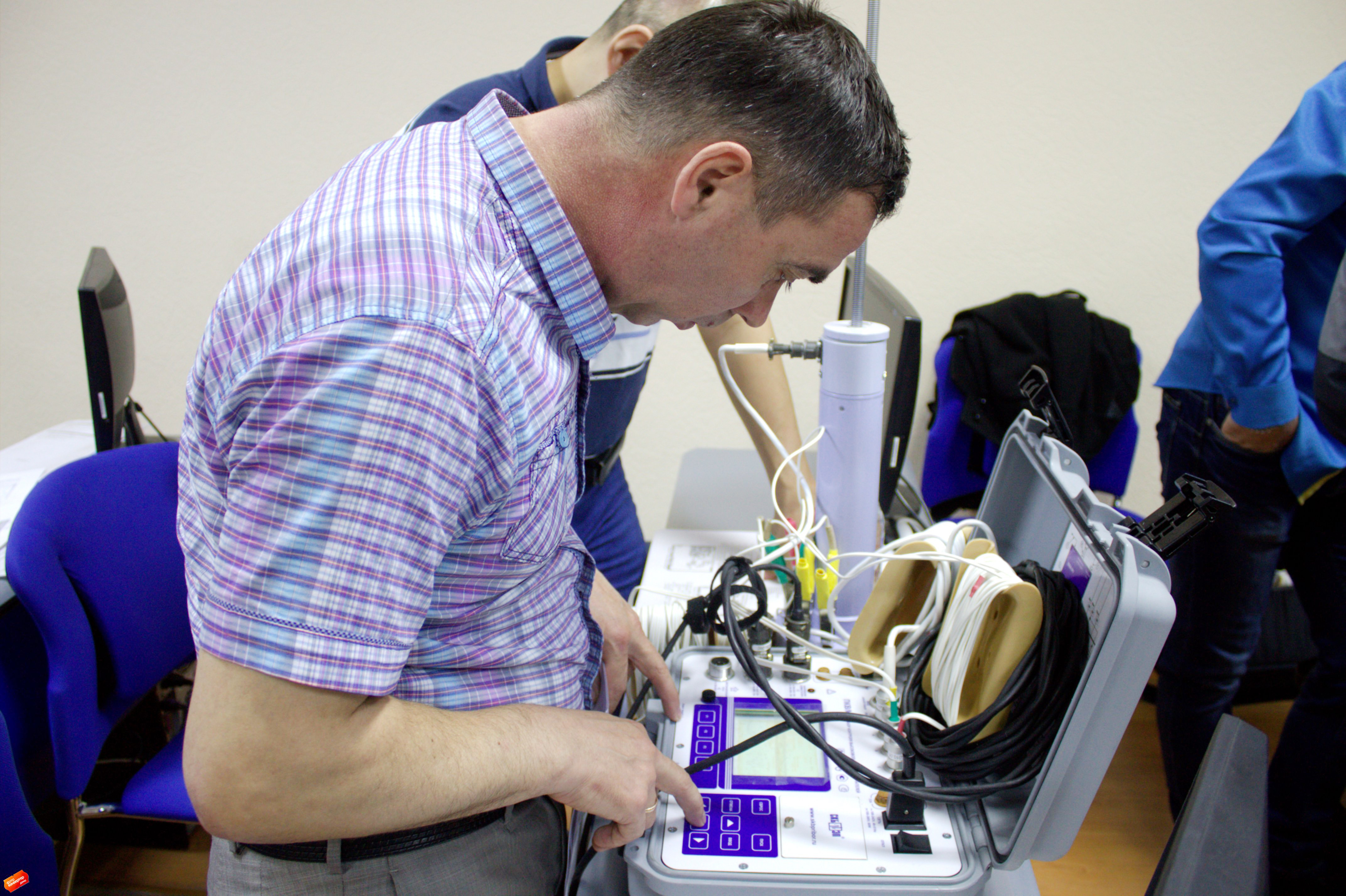
Day 2: Practical training on the HV circuit breaker simulators.
Use of the PKV/M7 analyzer.
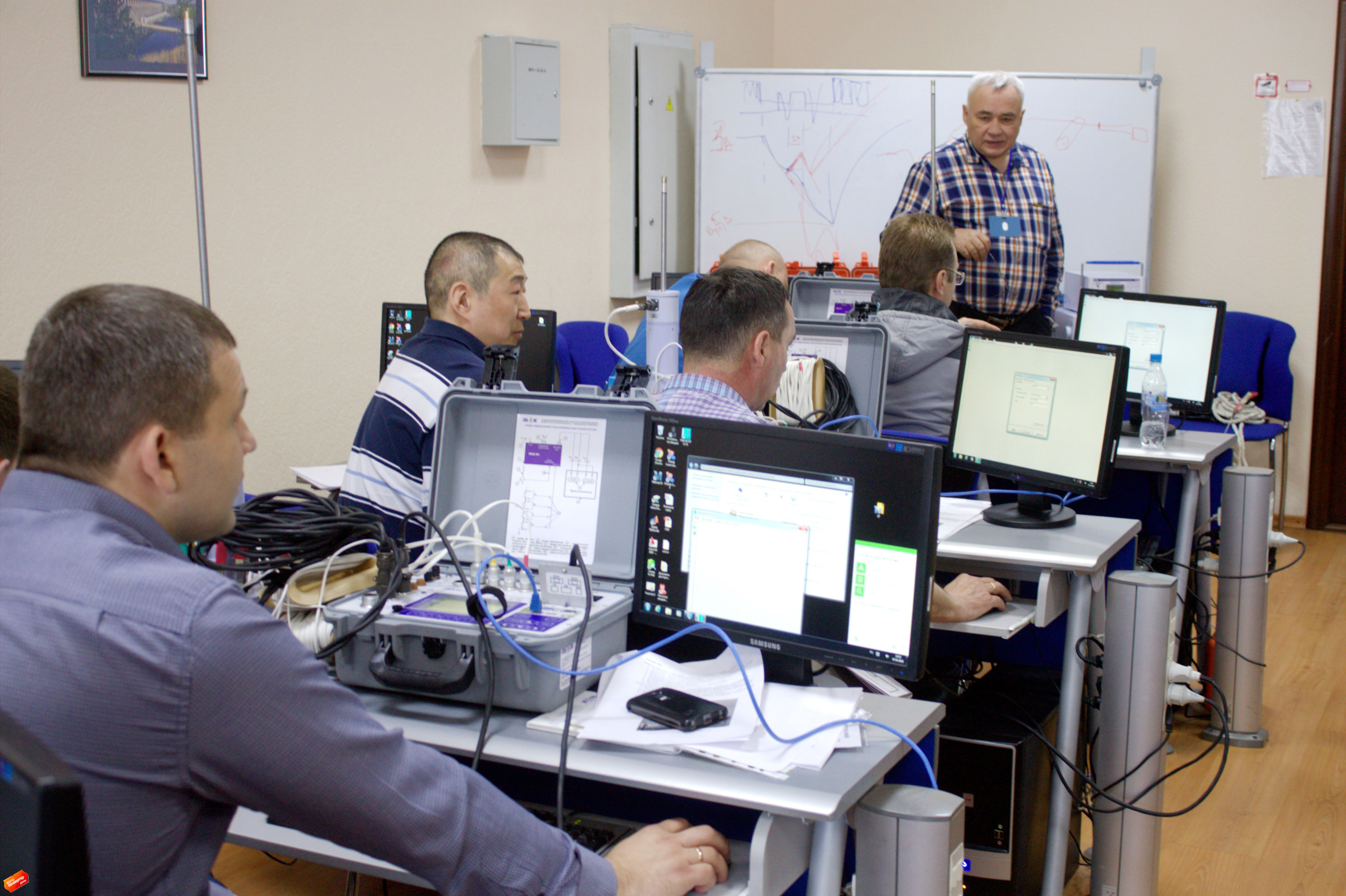
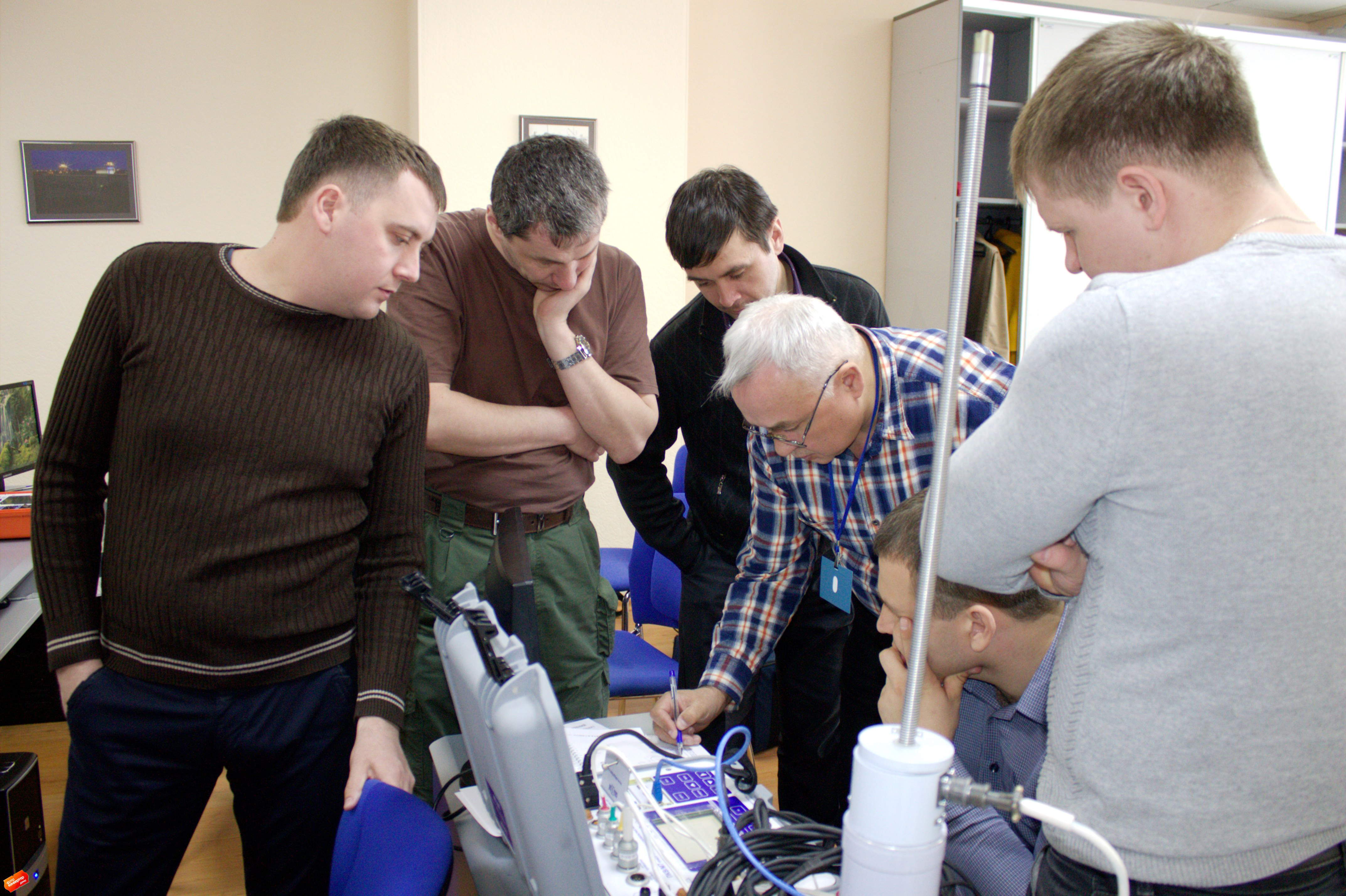
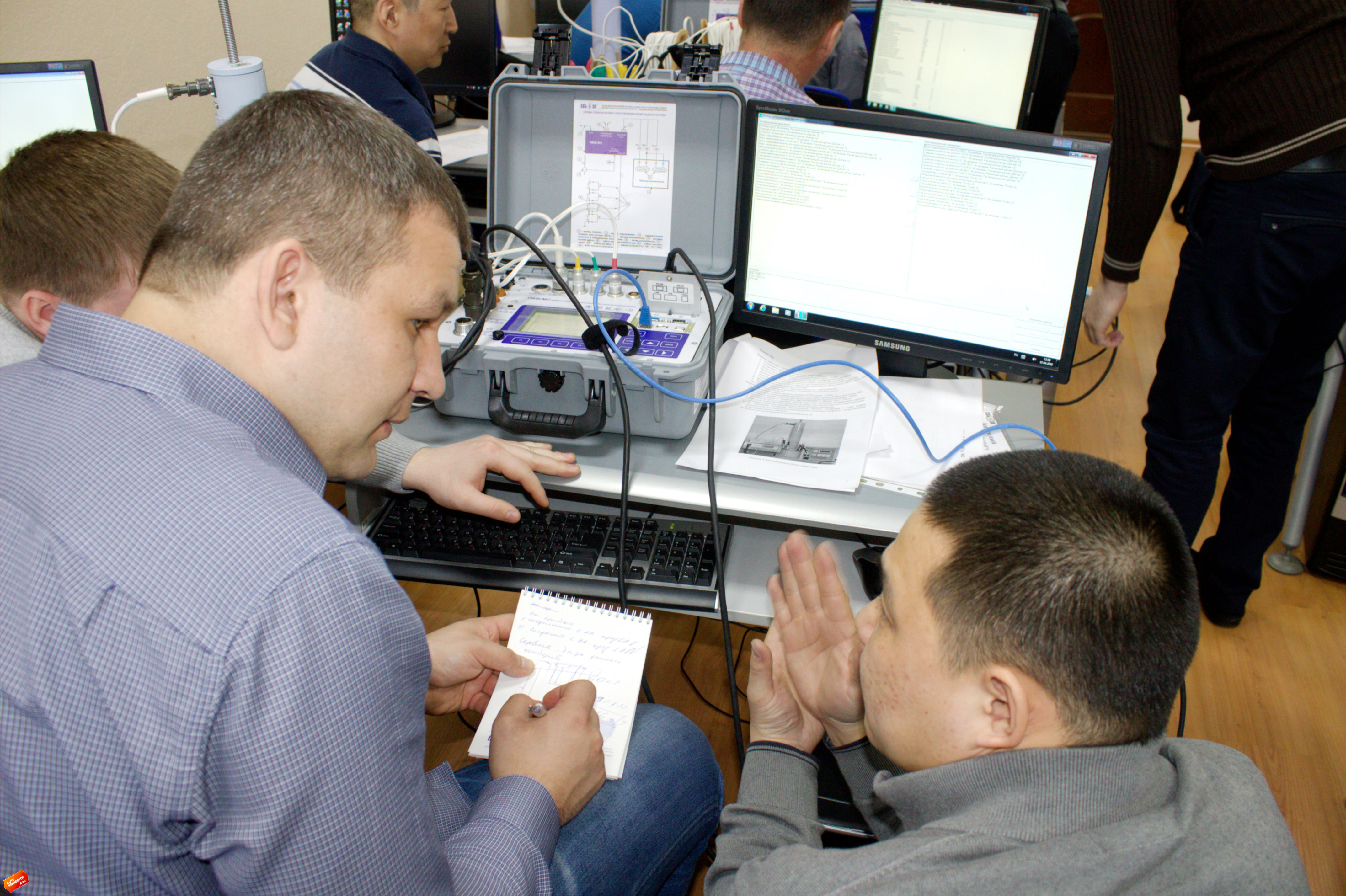
Day 2: Practical training on the HV circuit breaker simulators.
Analysis of graphs, answering the questions of PKV/M7 users.
Specialists who deal with maintenance and diagnosis of power transformers got interested in the MIKO-8 milliohmmeter and in the PKR-2M analyzer for OLTC devices control.
The MIKO-8 allows a large range of electric resistance measurements (10 mkOhm ÷ 10 kOhm), and measurements are very fast (e.g., measurements of one HV winding of ODC 80000/110 take 1-2 min. Those for ADTC 250000/500 take 5-7 min.). A peculiar feature of the instrument is combination of the milliohmmeter and DRM-test modes that gives more complete information on the transformer condition.
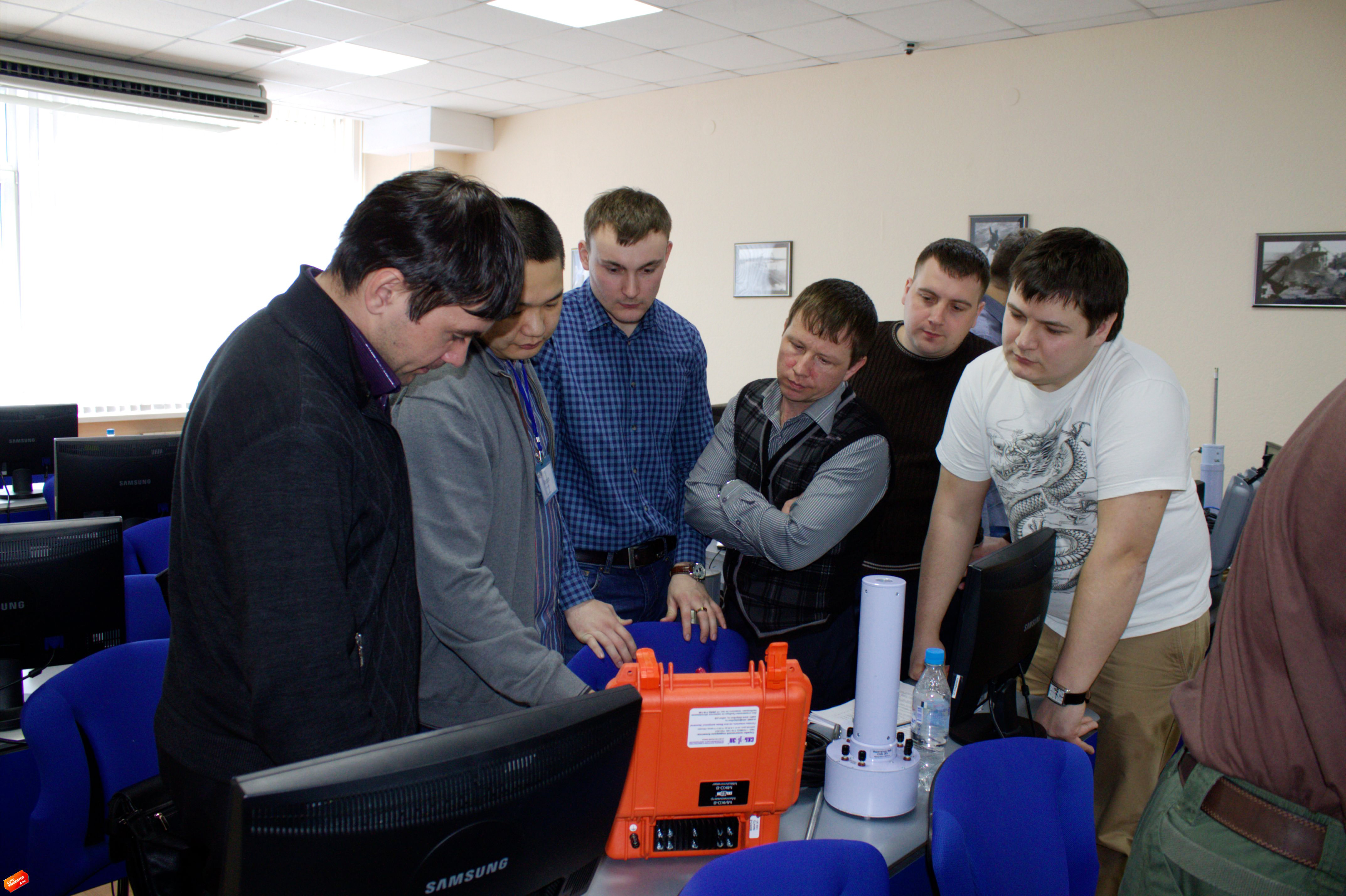
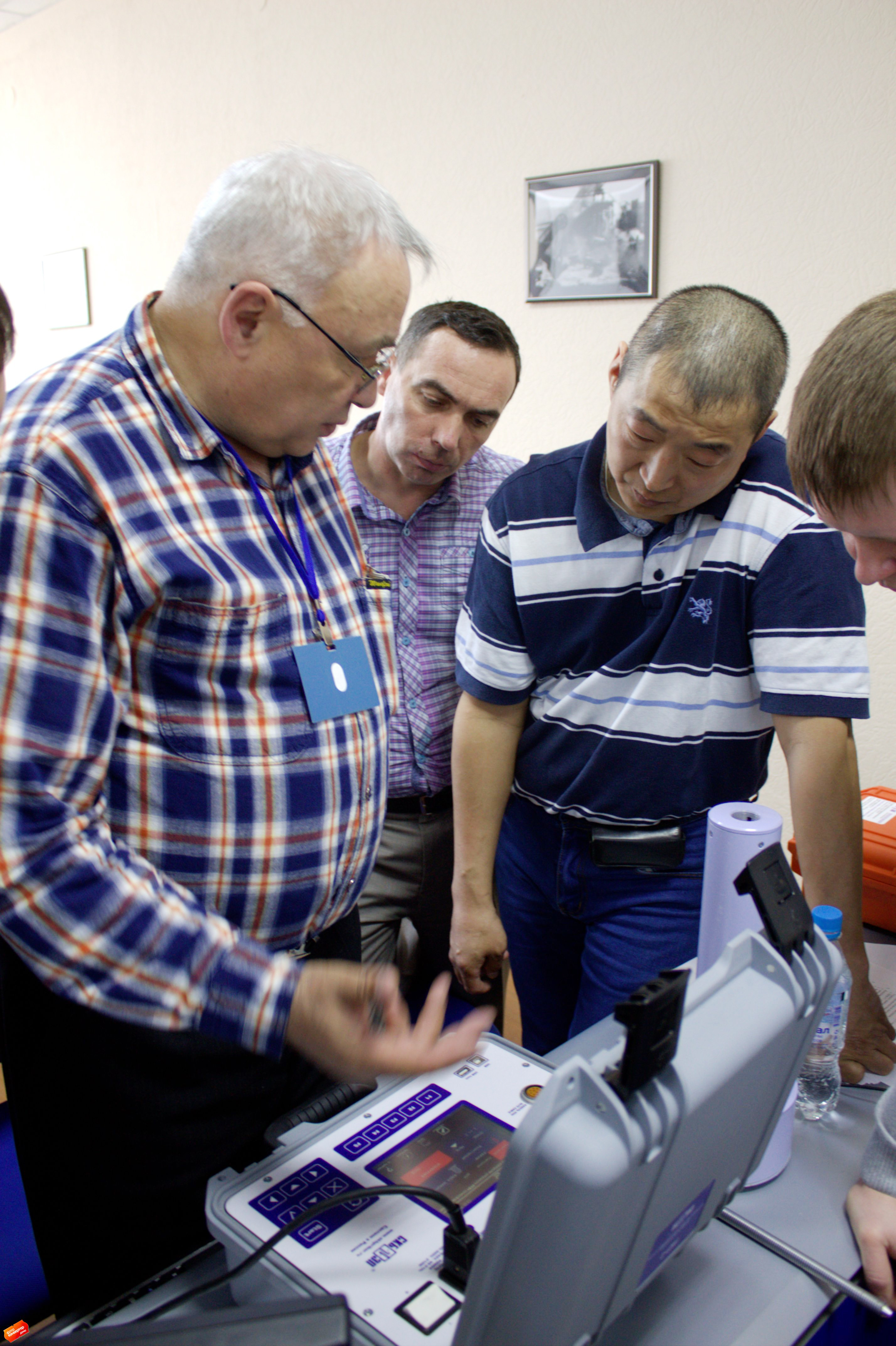
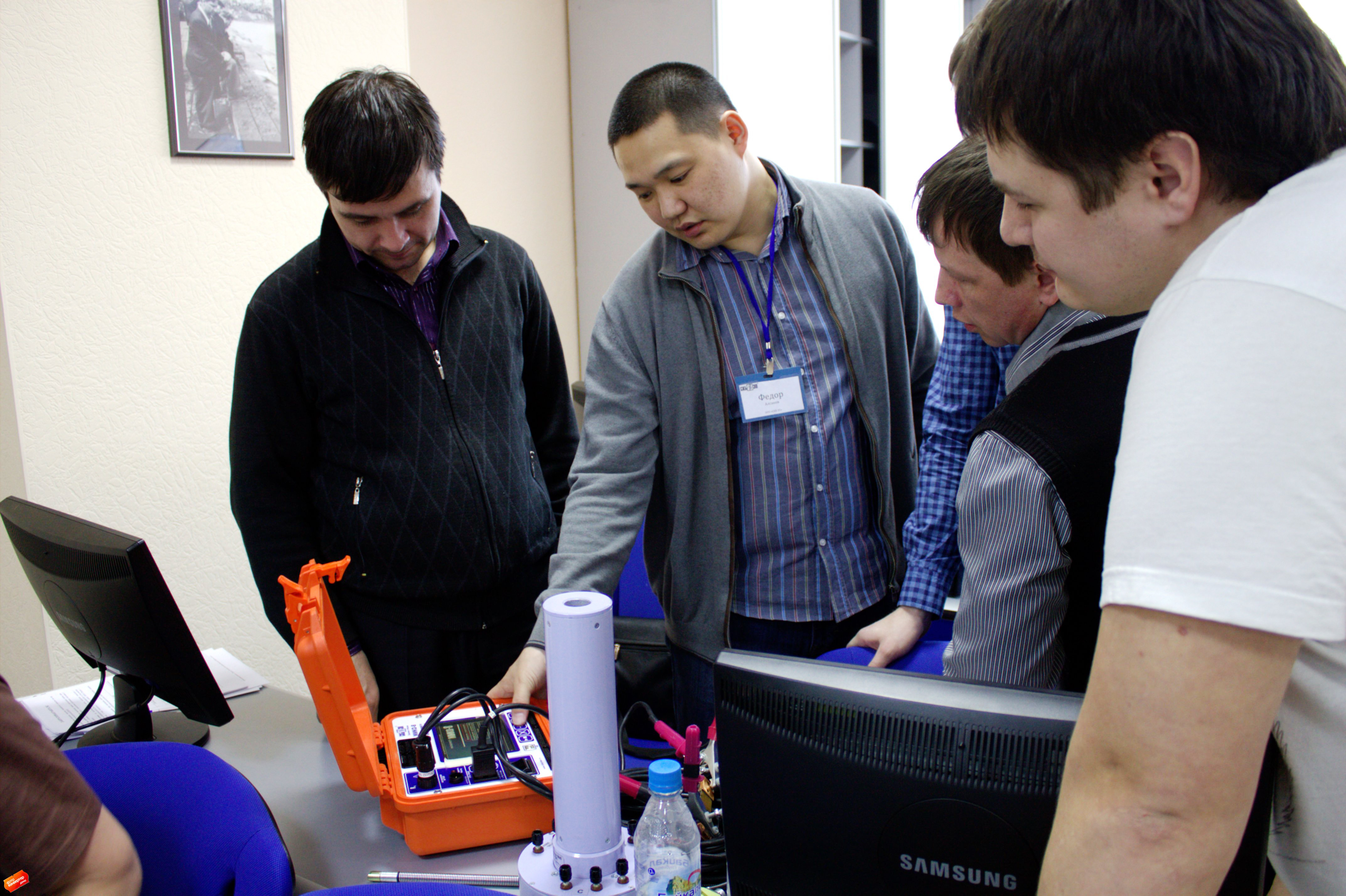
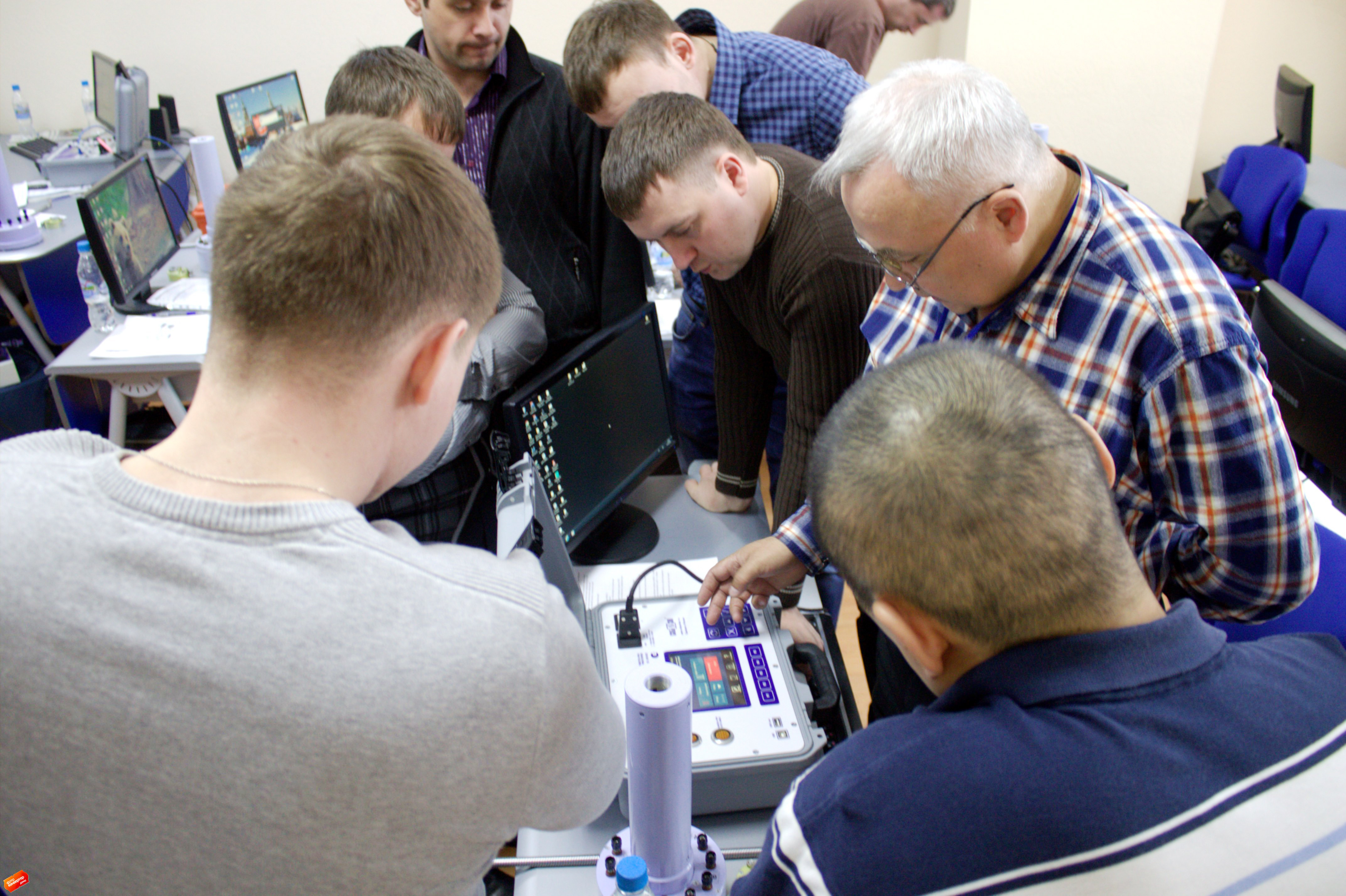
Day 2: Practical training on SKB EP instruments.
Demonstration of functions of the MIKO-8 milliohmmeter and the PKR-2M analyzer for OLTS devices.
OLTC condition diagnosis using DRM test was something new for many specialists.
- DRM mode is an additional function in the MIKO-8, and from the standpoint of mathematical calculations it is less developed here than in the PKR-2M (oscillography is performed phase-by-phase). Moreover, the MIKO-8 is intended for express-diagnosis and approximate estimation of the OLTC condition without opening the tank.
- The PKR-2M is a specific-purpose instrument for OLTC control that allows recording the oscillograms of contactors operation and circular diagrams across three phases simultaneously; DRM mode in this analyzer has been perfected and produces oscillograms (without tank opening) that are close to those obtained during destructive diagnosis that suggests tank opening, oil drainage and other procedures.
Attendants noted targeted nature of both instruments that allows testing of the main performances of the OLTC devices that are specified in standardization documents for both reactor devices and for fast-acting OLTC.
During practical part of the course the attendants got familiar with the MIKO-2.3 micromillikiloohmmeter, a universal analyzer that produces 1000A current in the microohmmeter mode. Attendants appraised low weight and small size of the analyzer, which makes it easy to use. A representative of JSC Energy Technologies had a positive experience of the analyzer operation, and other attendees immediately got a positive opinion and reference on the MIKO-2.3.
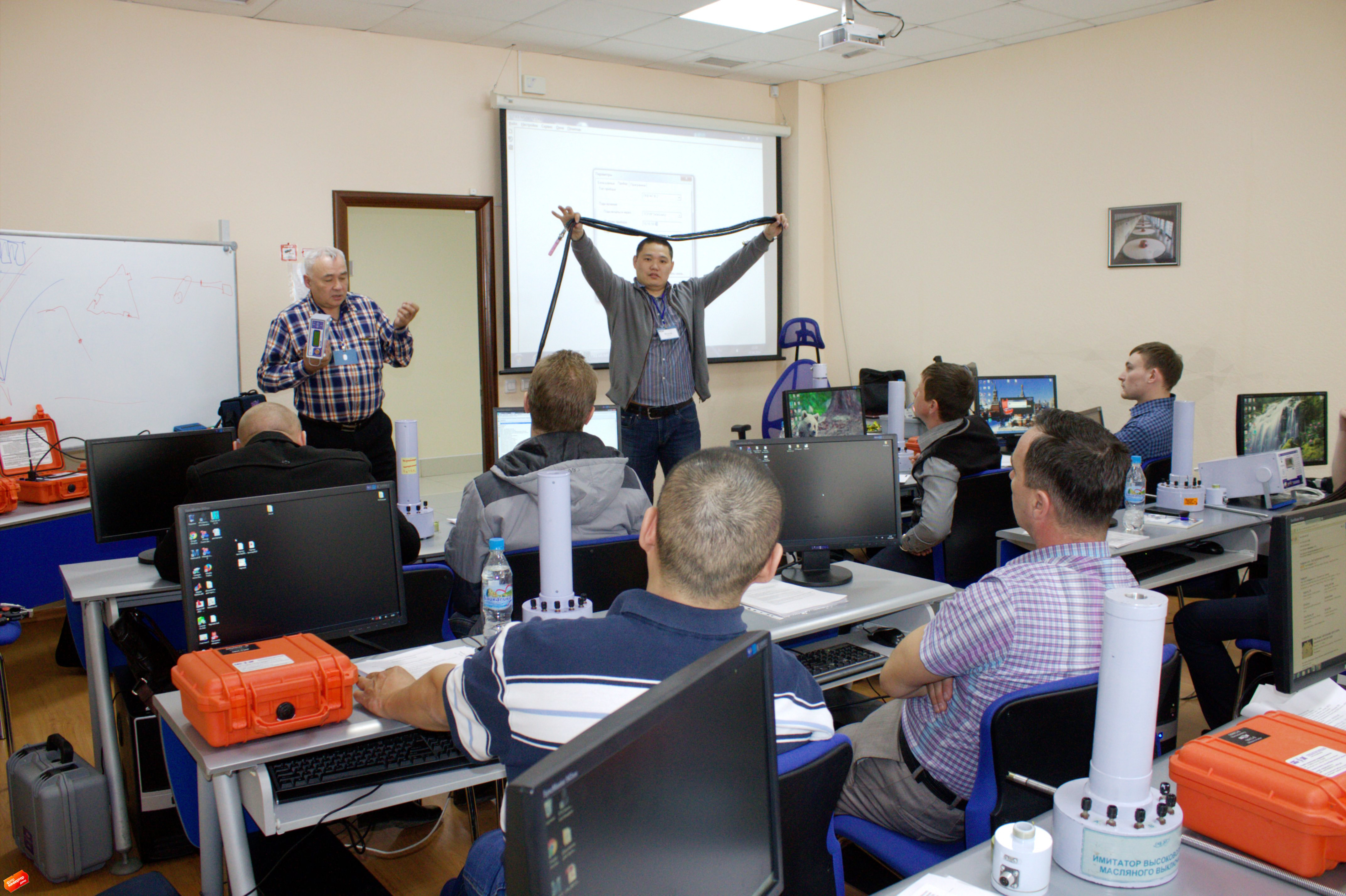
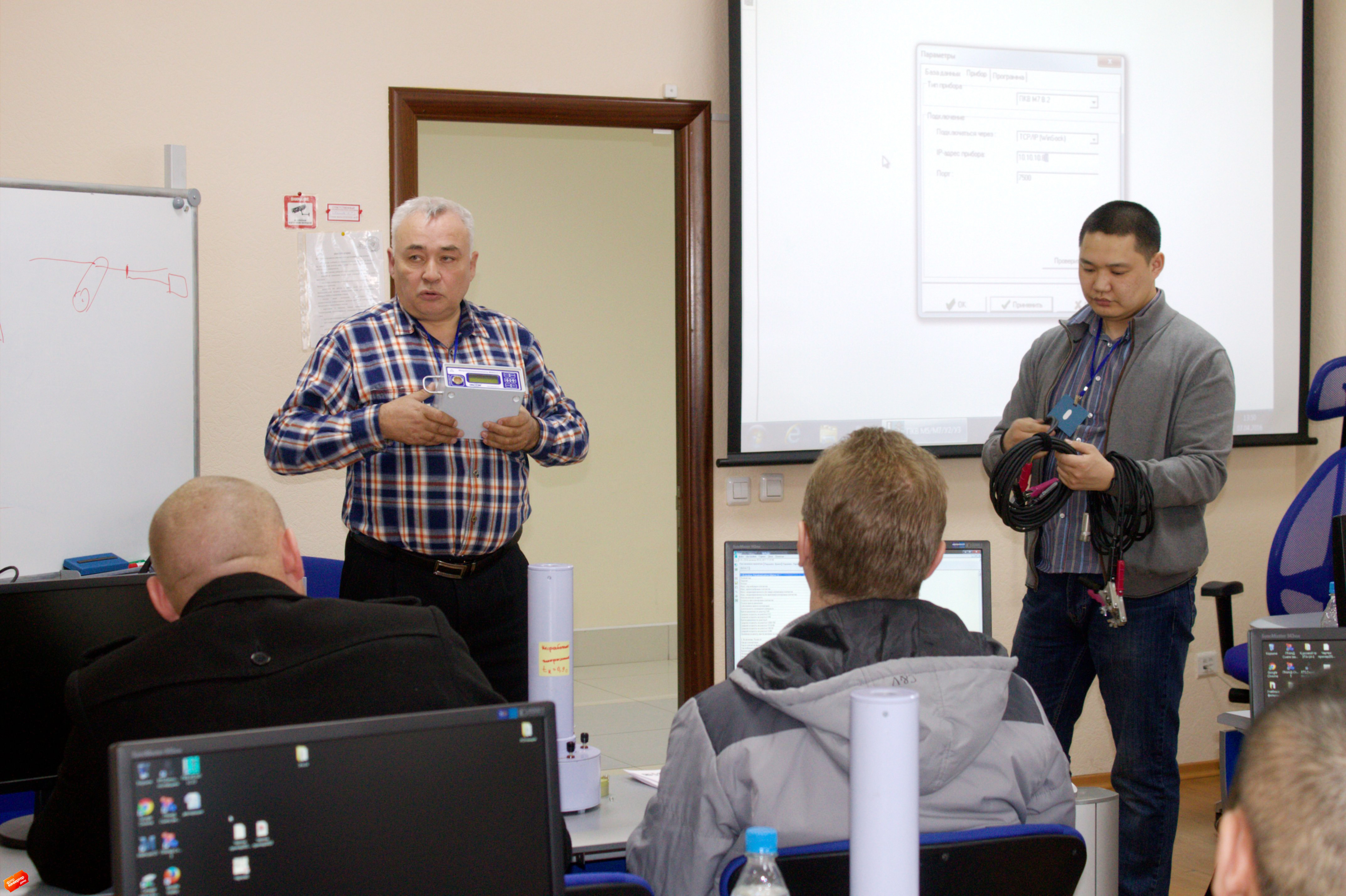
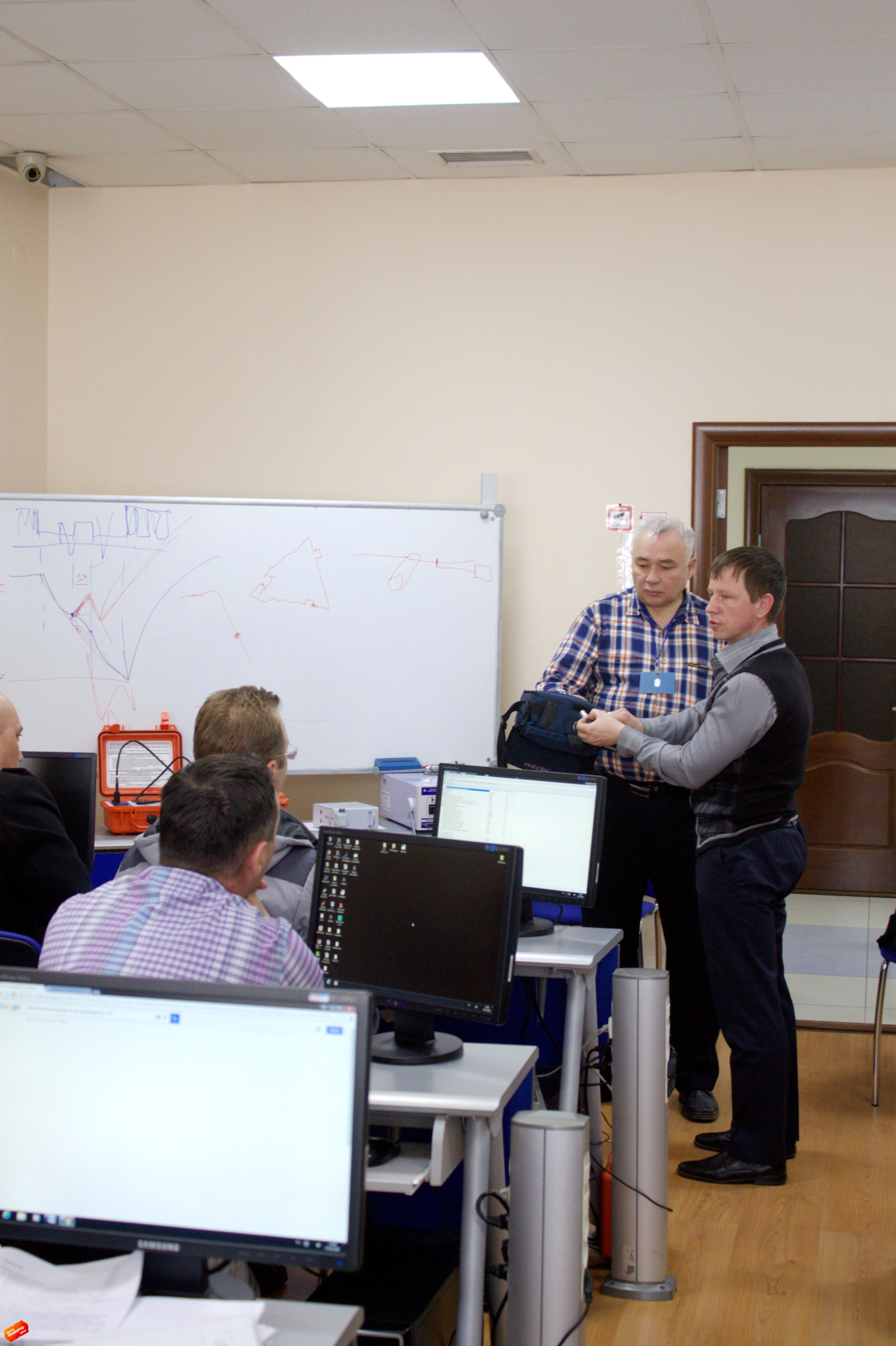
Day 2: Practical training on the SKB EP instruments.
Demonstration of the MIKO-2.3 micromillikiloohmmeter and its accessories.
New developments of the Company, the MIKO-10 and MIKO-21 microohmmeters were demonstrated on the second day.
The MIKO-21 is intended for measurement of transient resistances of electric circuits in the range of 0.1 mkOhm ÷ 2 Ohm, the lowest error being ±0.05% on the 200A current. MIKO-21 has a number of functional and technical features that make it superior to similar instruments available at the market. Attendants appraised its capabilities and functions.
The MIKO-10 is a small-size instrument for express measurement of electric resistances in the range of 1 ÷ 100 000 mkOhm, error being ± 0.2%. Specialists appraised the instrument portability and convenience of its operation; it is conveniently fixed on the wrist by special belts thus leaving both hands free, that simplifies measurements. The instrument can be fastened to a waist belt, hung on the neck or installed on any flat surface.
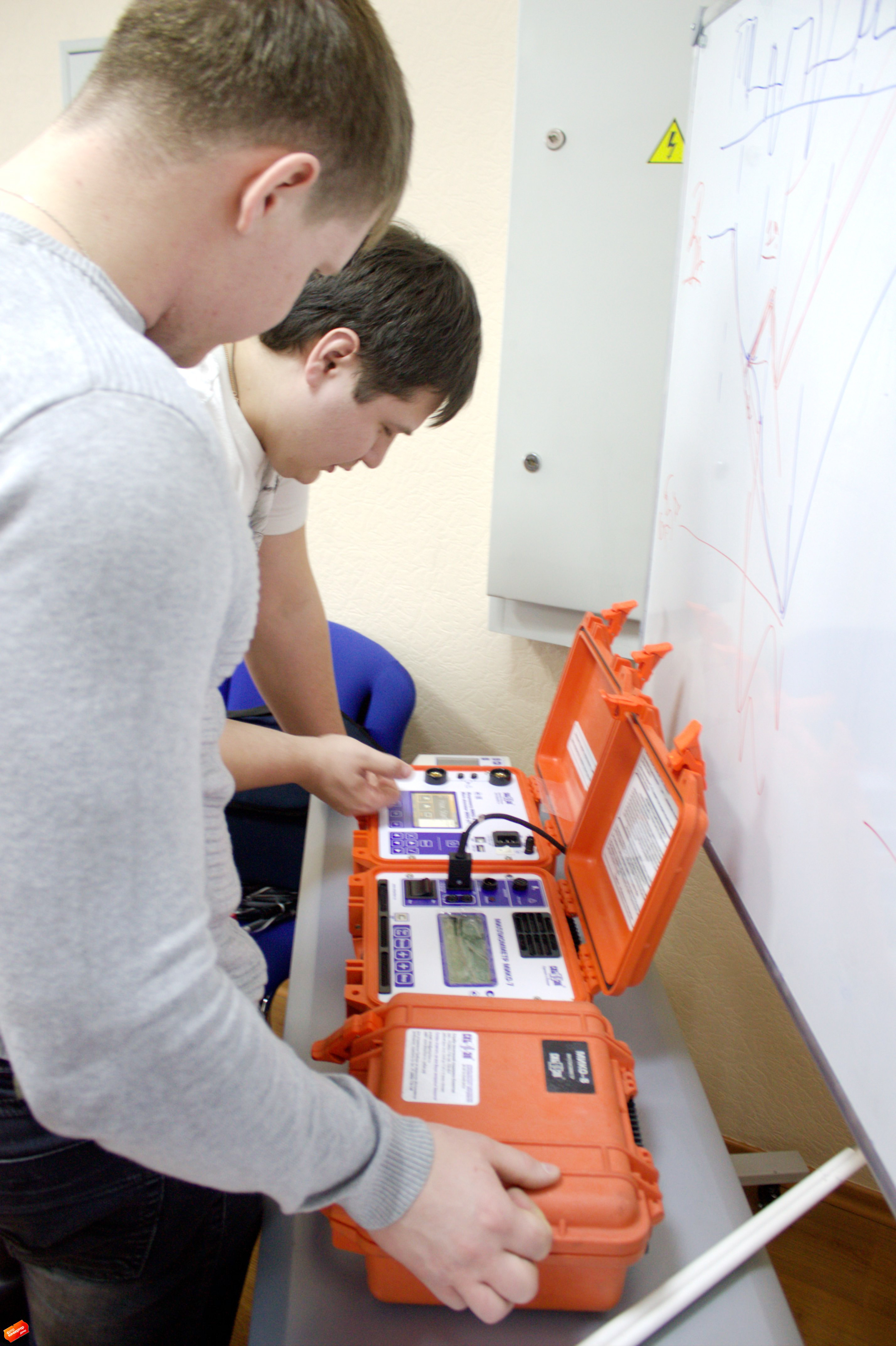
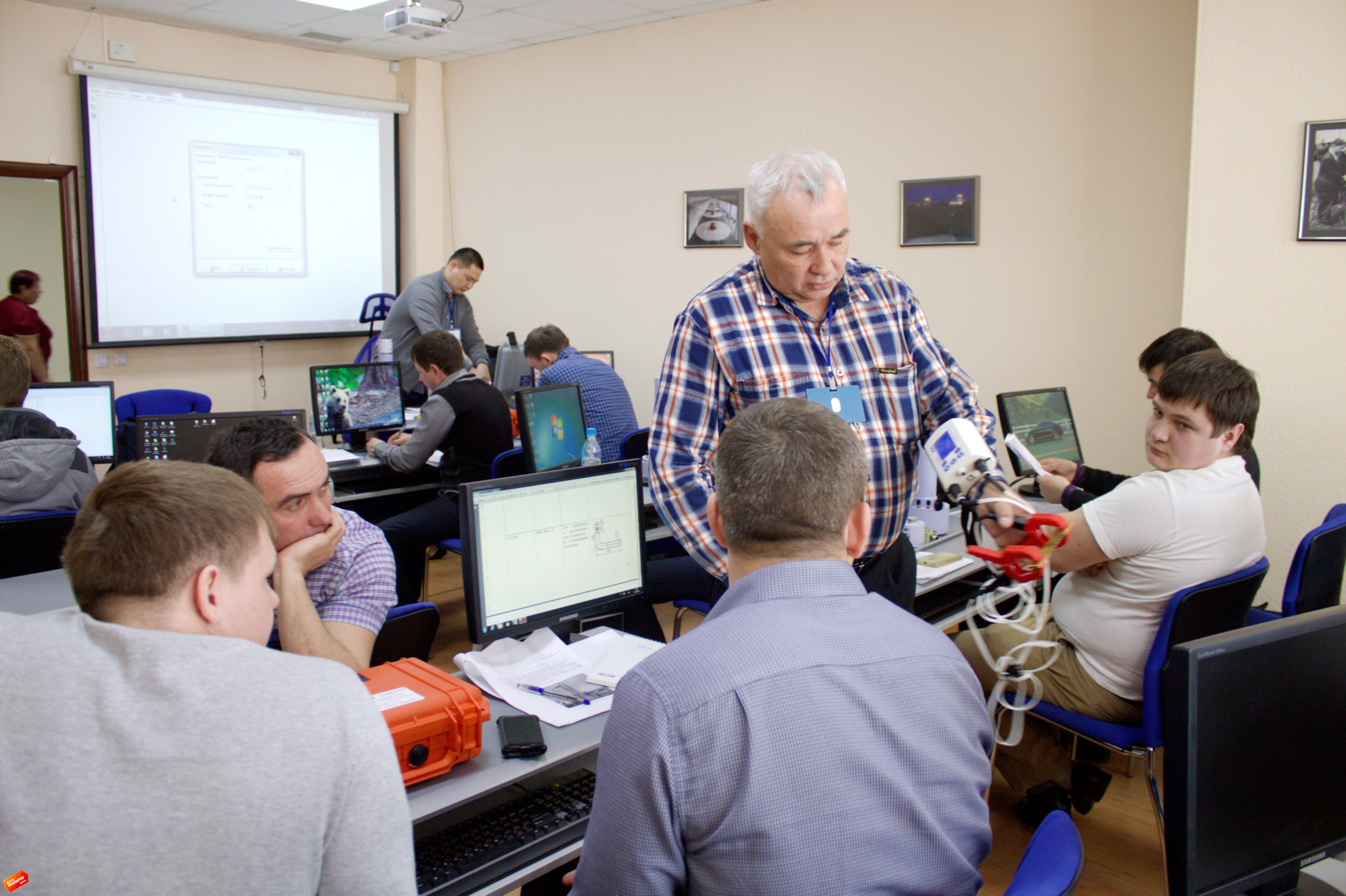
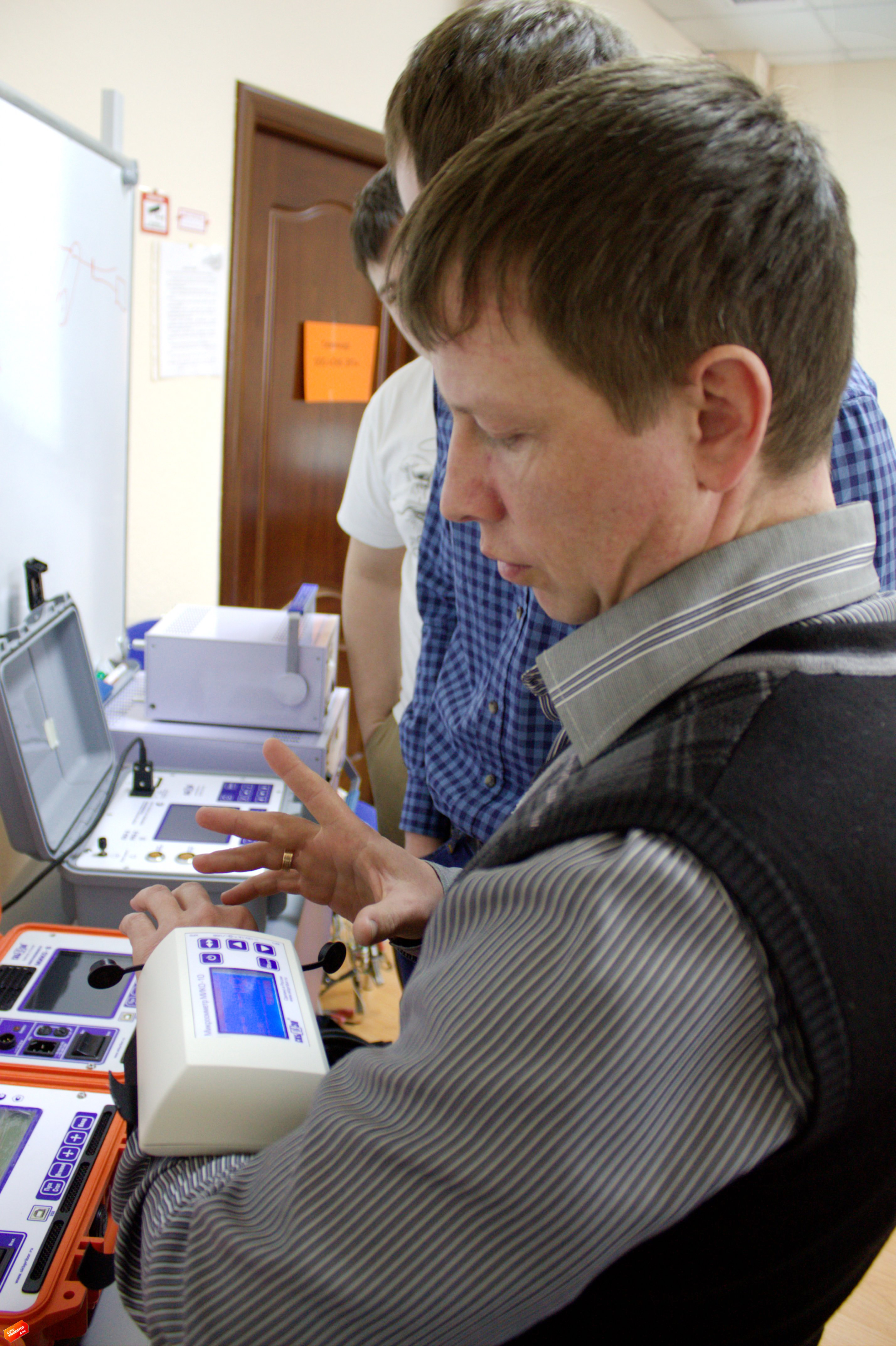
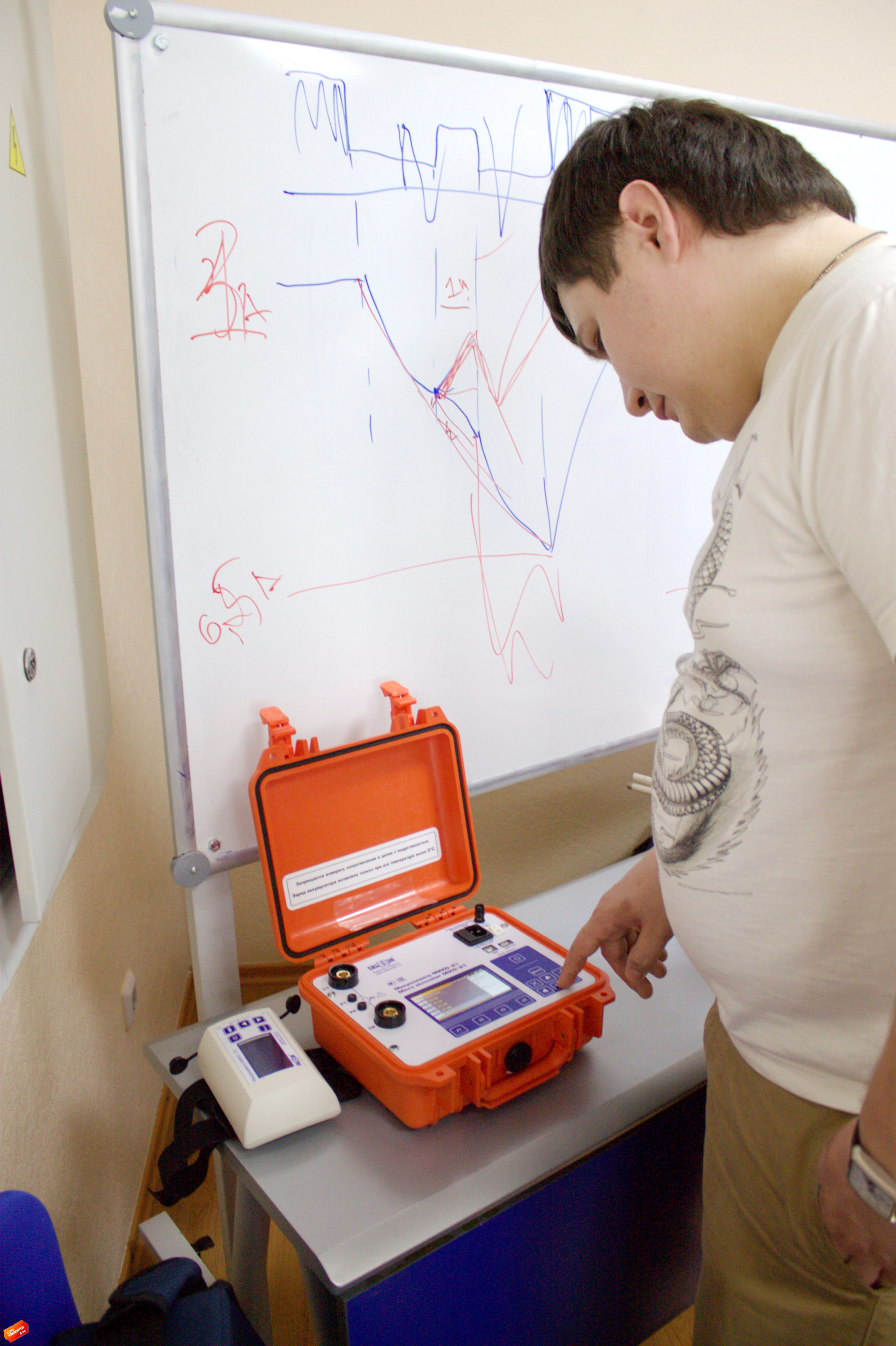
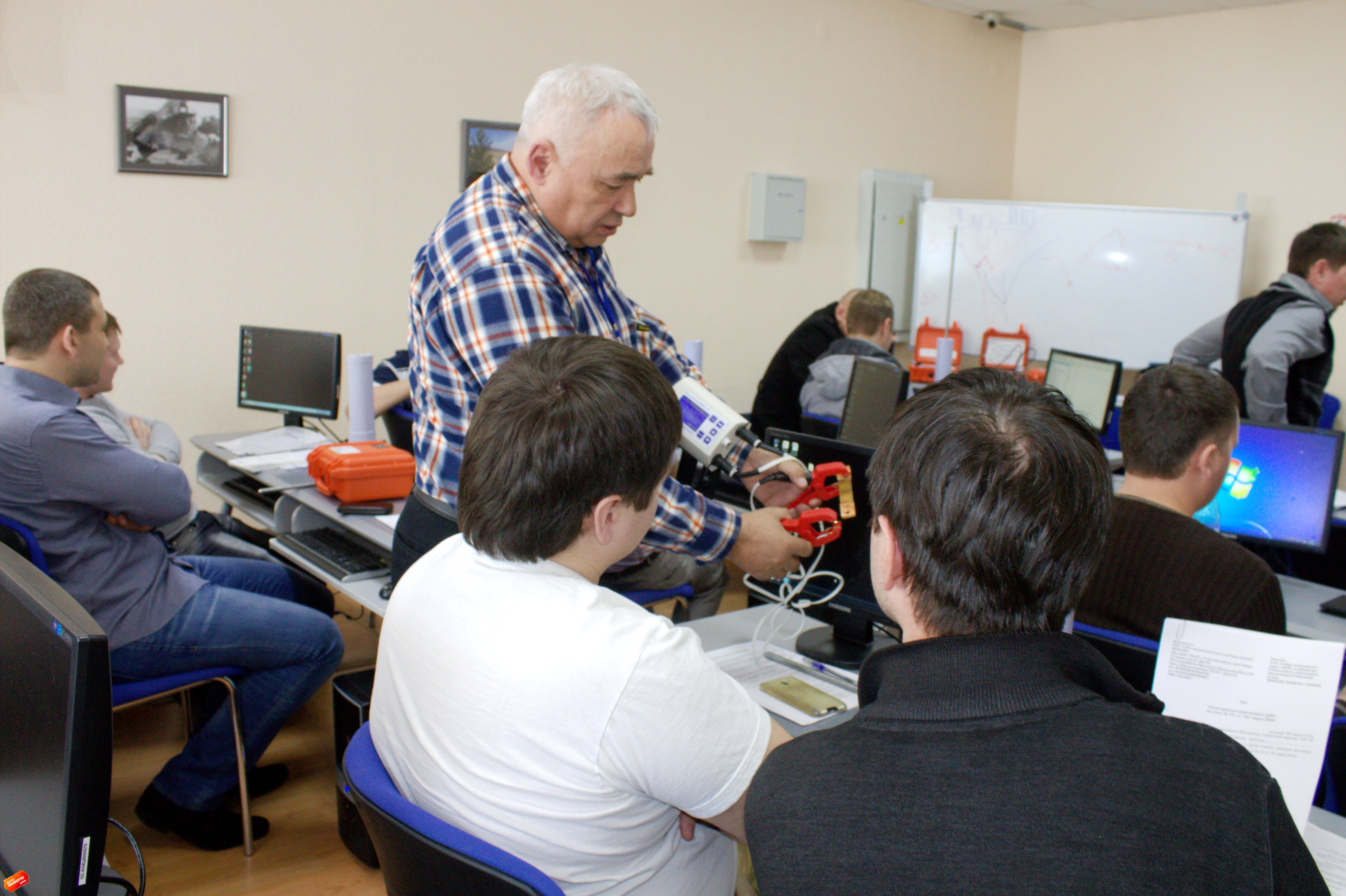
Day 2: Practical training on the SKB EP instruments.
Demonstration of the MIKO-10 operation and MIKO-21 functions.
The second day was terminated by a round-table discussion with the SKB EP specialists. Such a workshop is a rare possibility for personal communication. Attendants discussed with the SKB EP specialists different situations from their experience, expressed their wishes, and gave recommendations and proposals on development of new equipment.
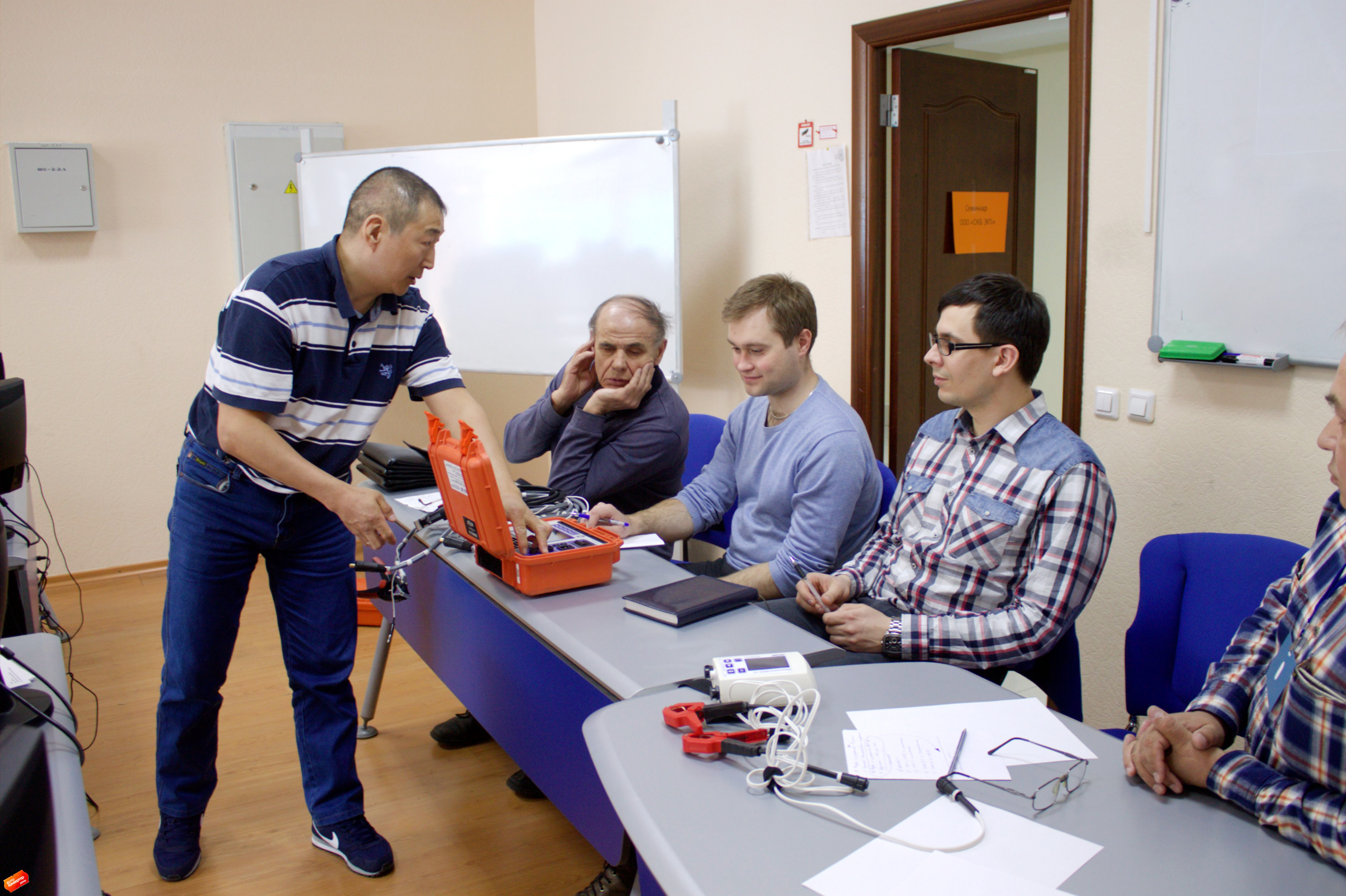
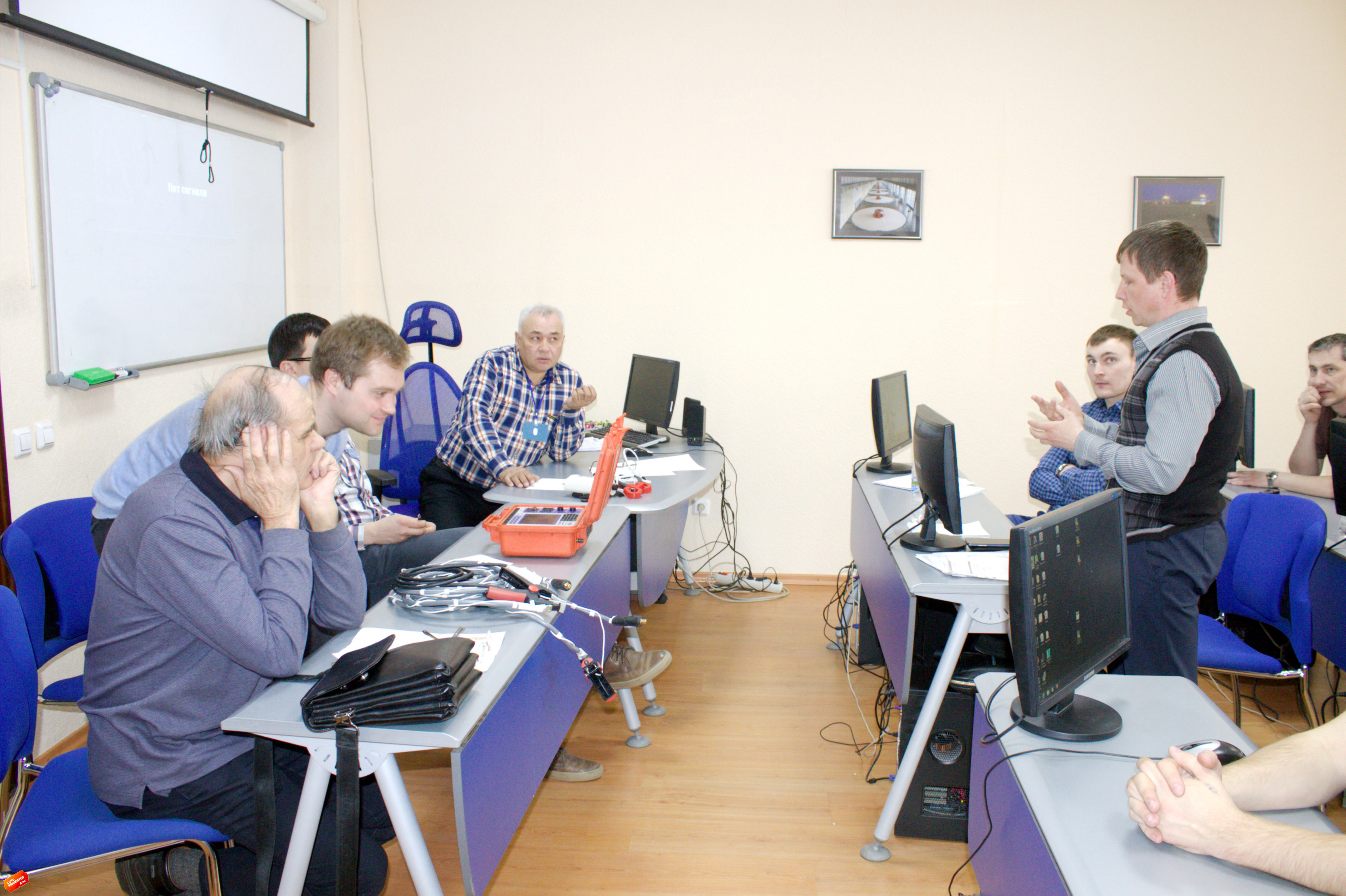
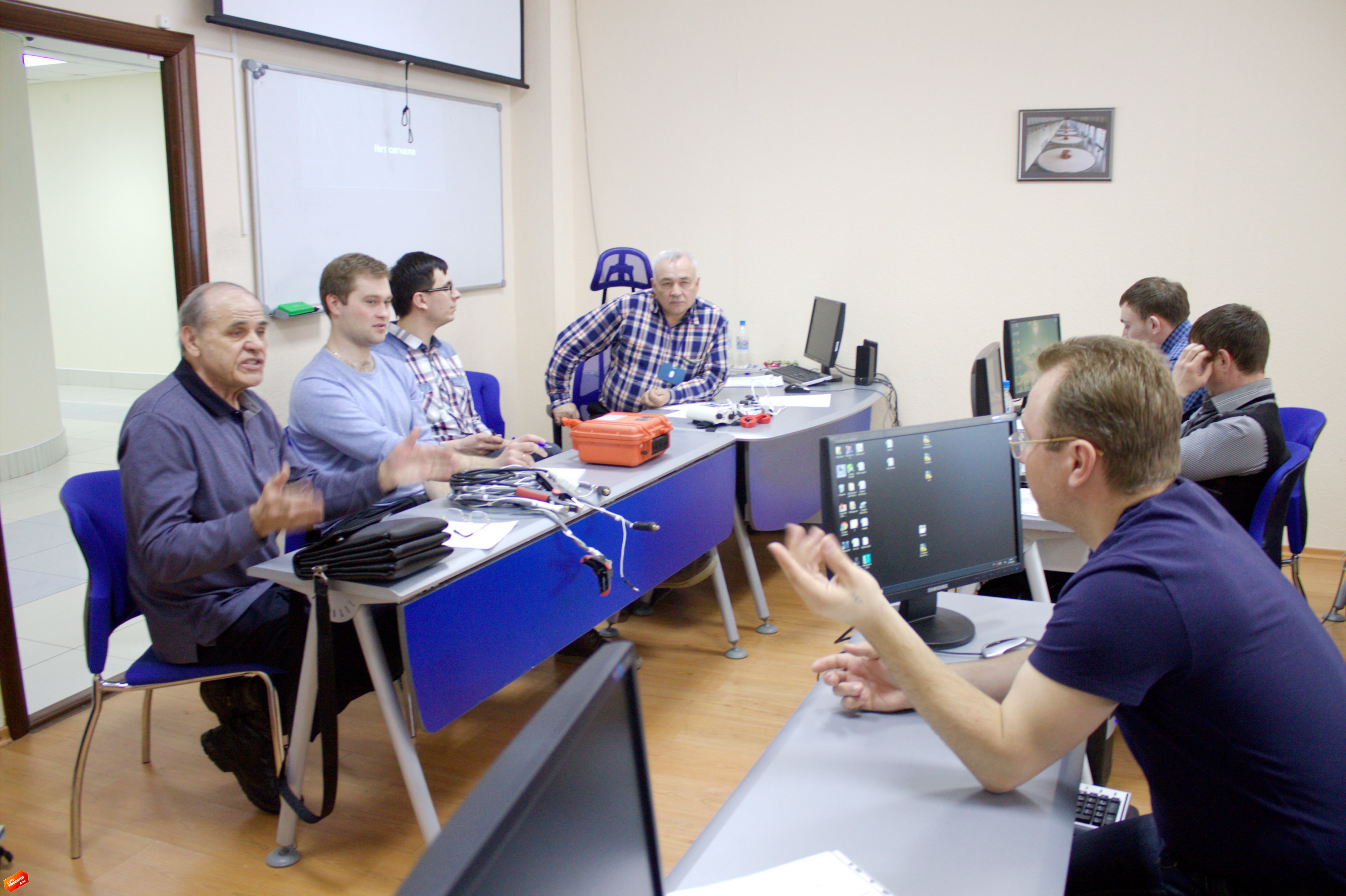
Day 2: Round-table discussion of the SKB EP specialists and workshop attendants.
Feedback and first-hand information allows perfection of existing instruments and accessories and gives ideas on development of new instruments.
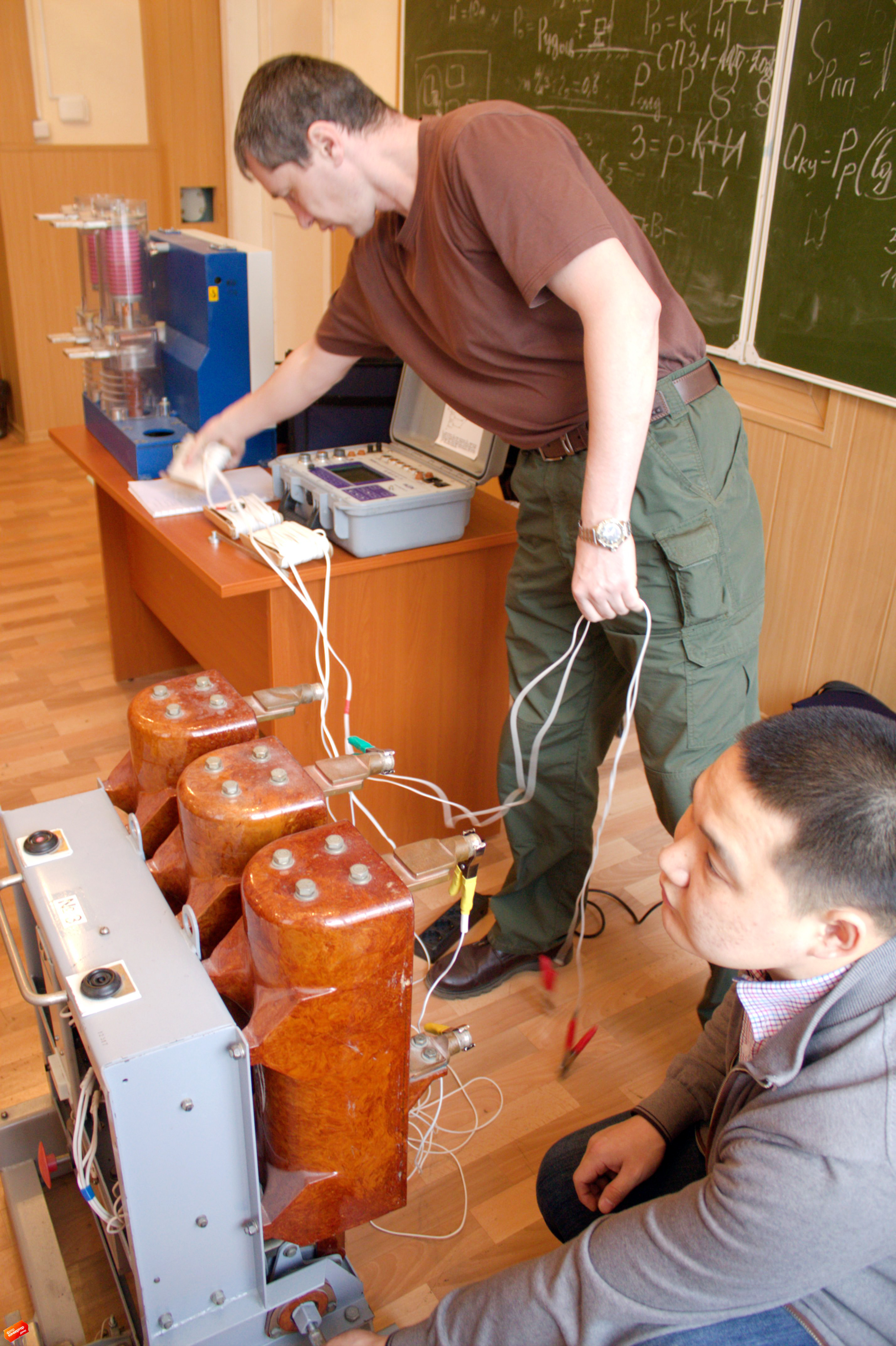
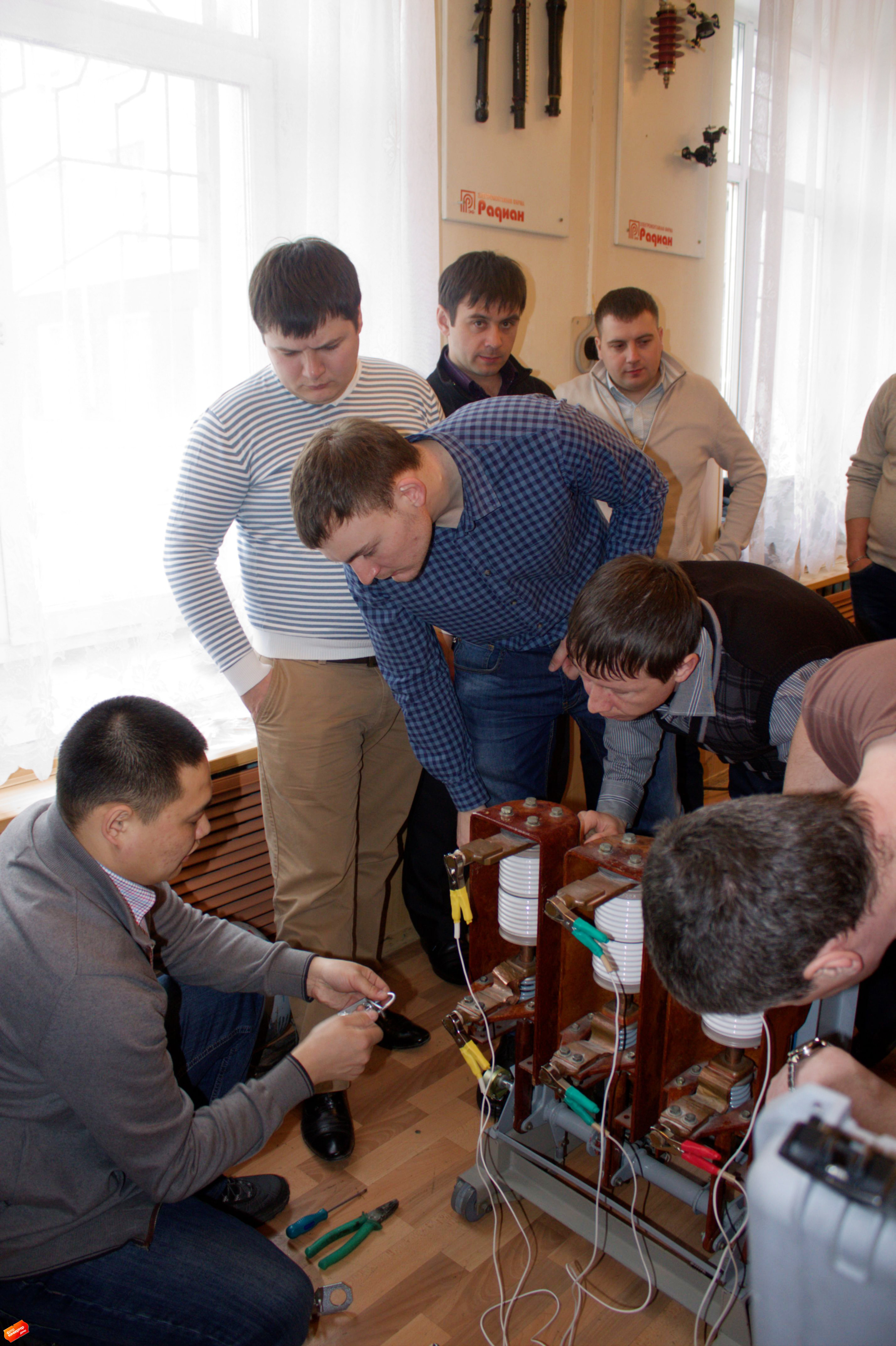
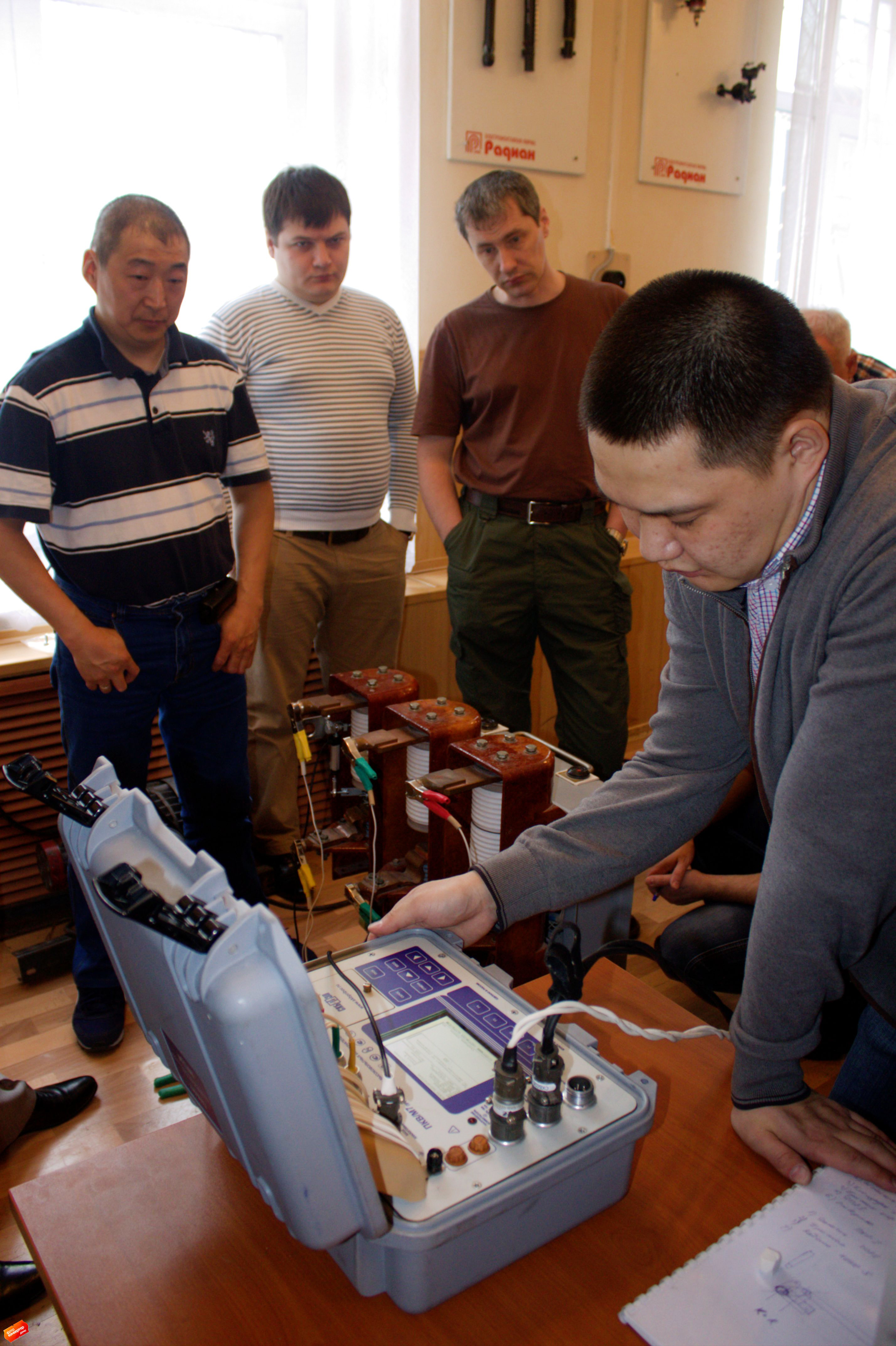
The third day of the workshop started with the use of the PKV/M7 (an analyzer for high-voltage circuit breakers testing) on the vacuum circuit breaker VVTE-M-10. For control of performances of such circuit breakers the instrument is furnished with DP21 angular displacement transducer and a rheostat linear displacement transducer DP32.1 (delivered upon separate order).
A special rheostat transducer with an analogue channel for measuring the linear displacements of travel in the 25mm range was specially developed for vacuum circuit breakers with an open isolation casing and with the access to a mobile contact of the arch extinguishing chamber. (A rheostat transducer is intended for completing the PKV/M7, PKV/U3.1 and PKV/U3.0 analyzers).
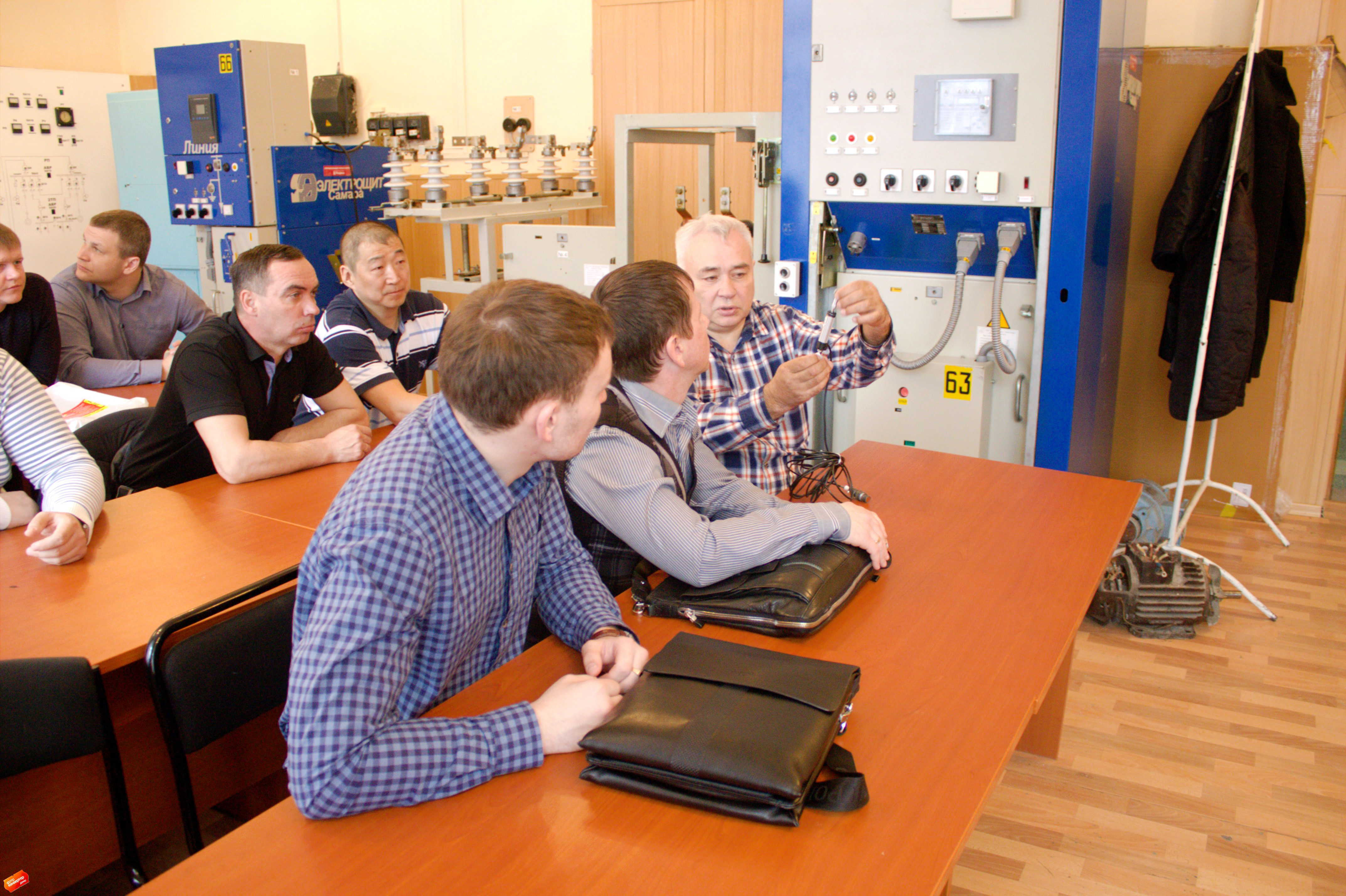
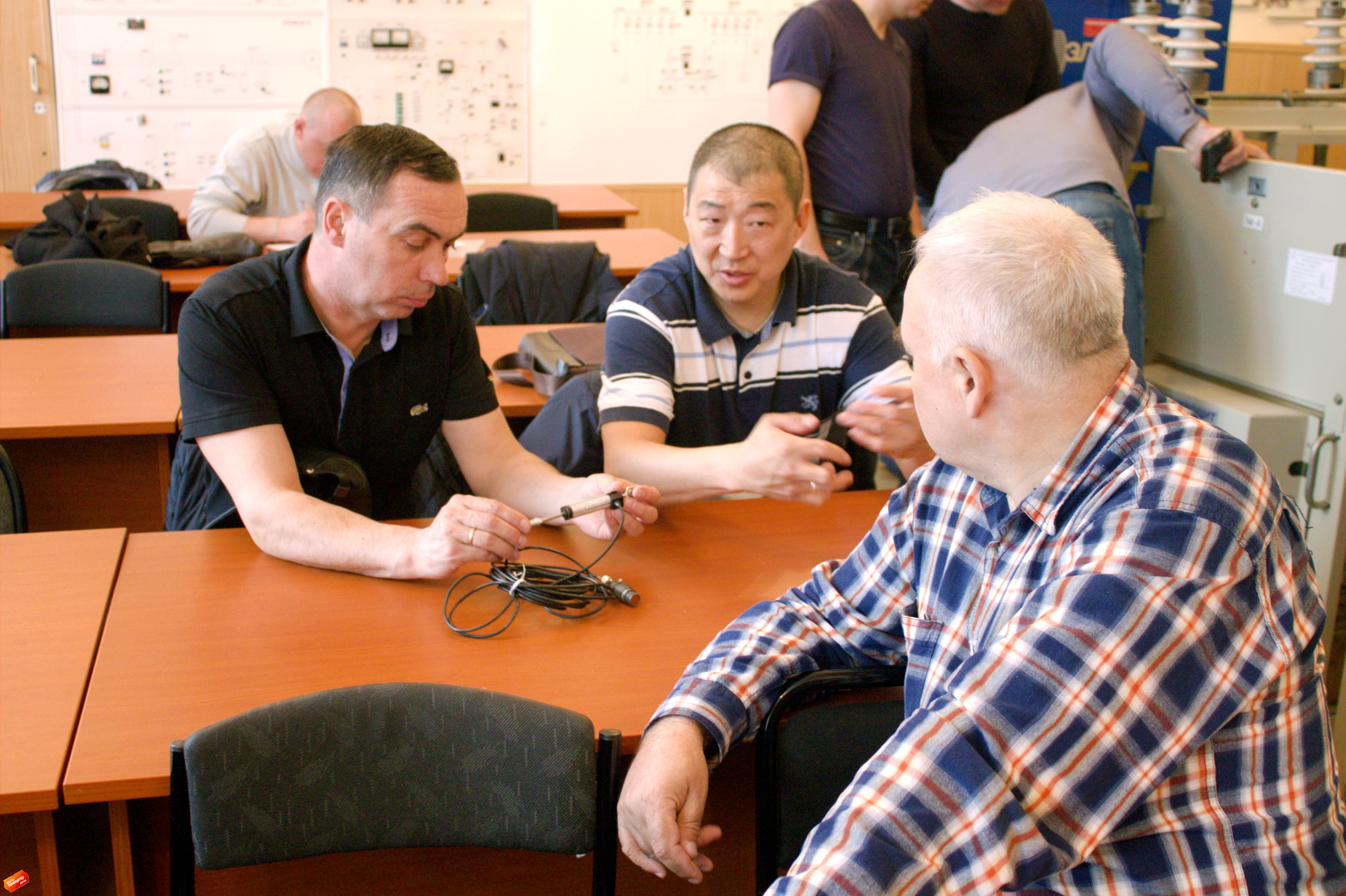
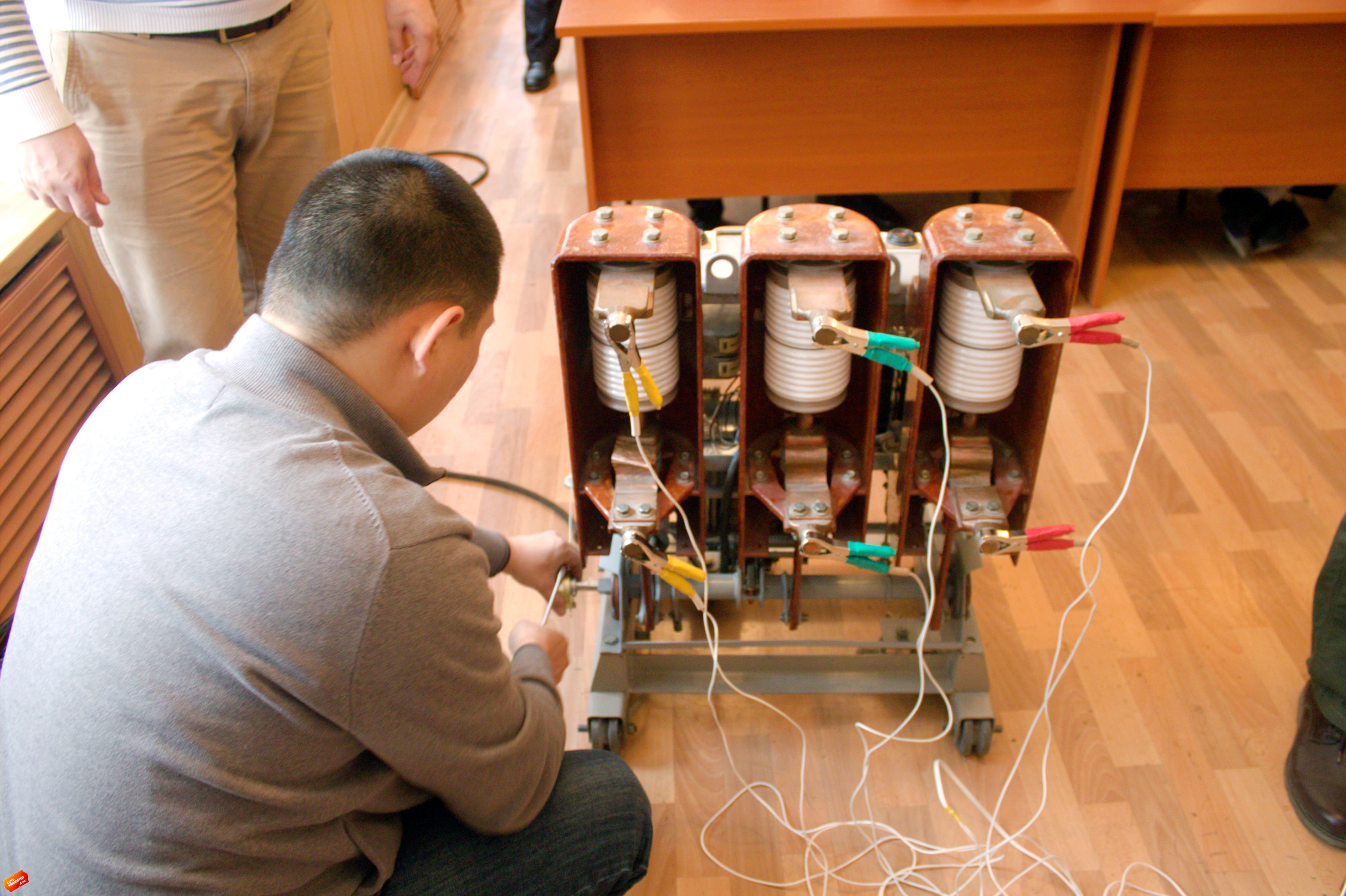
Day 3: Practical training using SKB EP instruments for high-voltage equipment.
Demonstration of rheostat transducer DP32.1 and installation of an angular displacement transducer DP21.
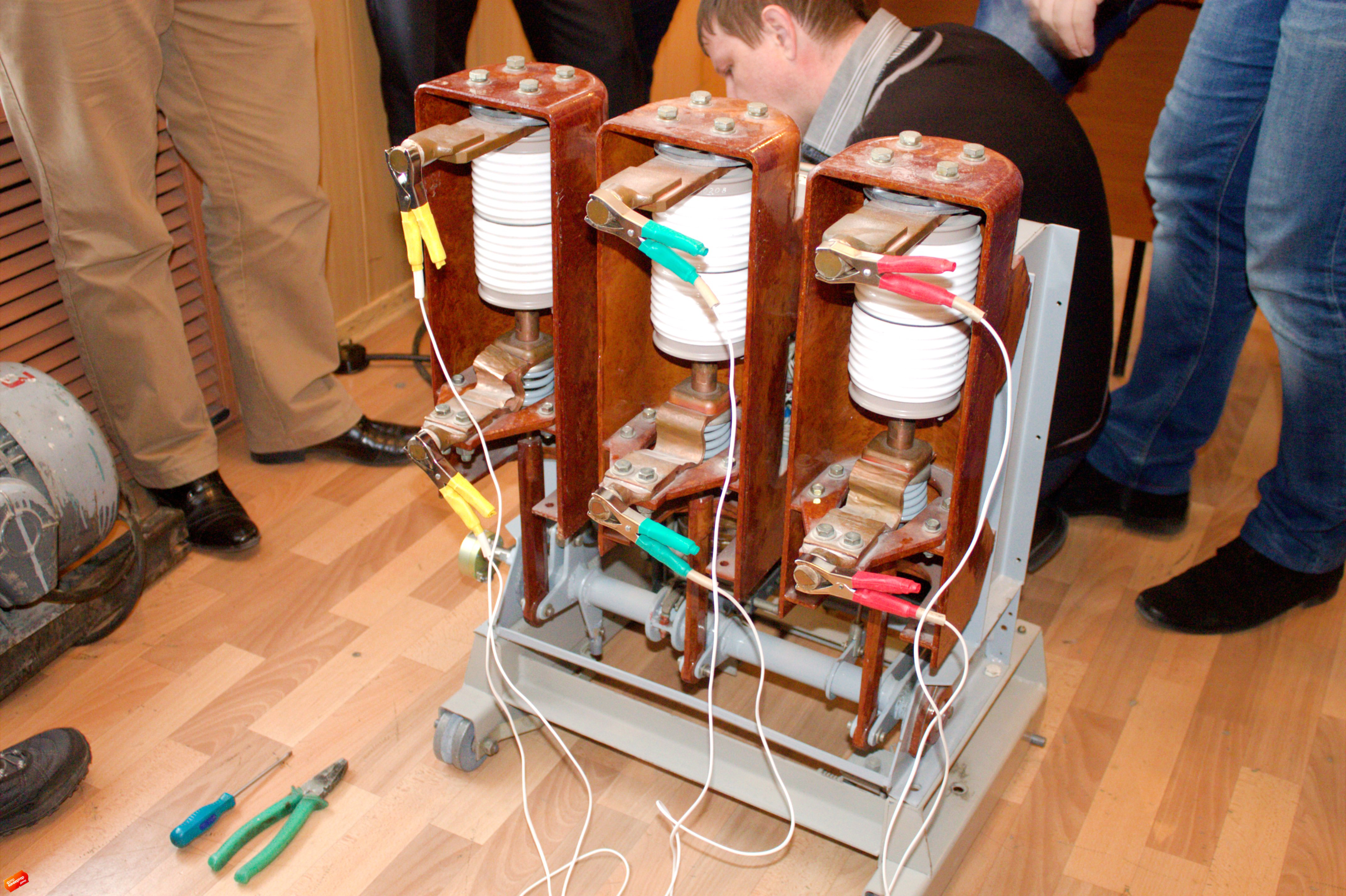
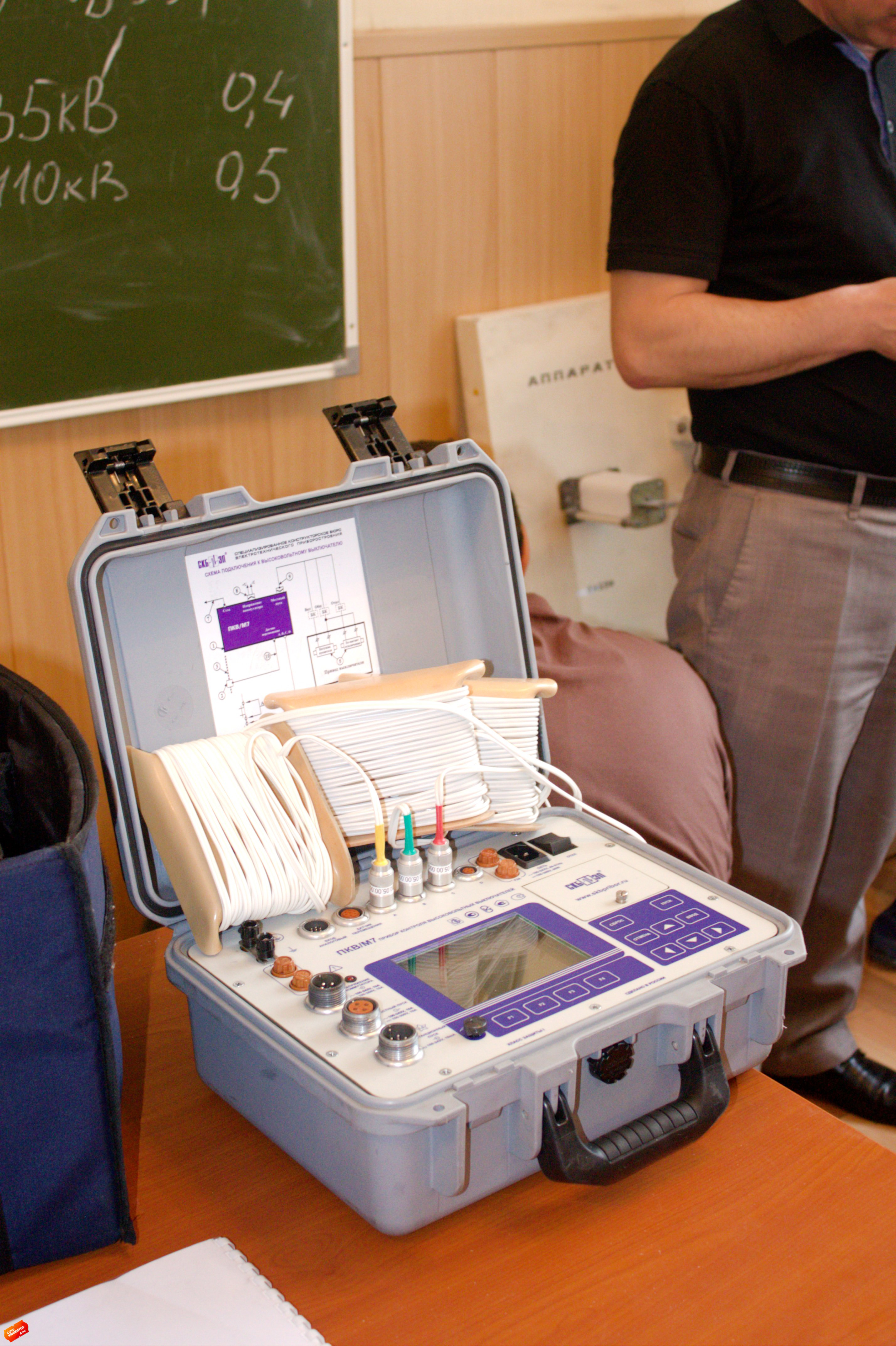
Day 3: Practical training using SKB EP instruments for high-voltage equipment.
The PKV/M7 operation on the vacuum circuit breaker of VVTE-M-10 type.
Some attendants were interested in testing the HV circuit breakers, others were interested in testing the transformers and OLTC devices, and therefore, after the first stage of Day 3 people were divided into three groups according to their interests.
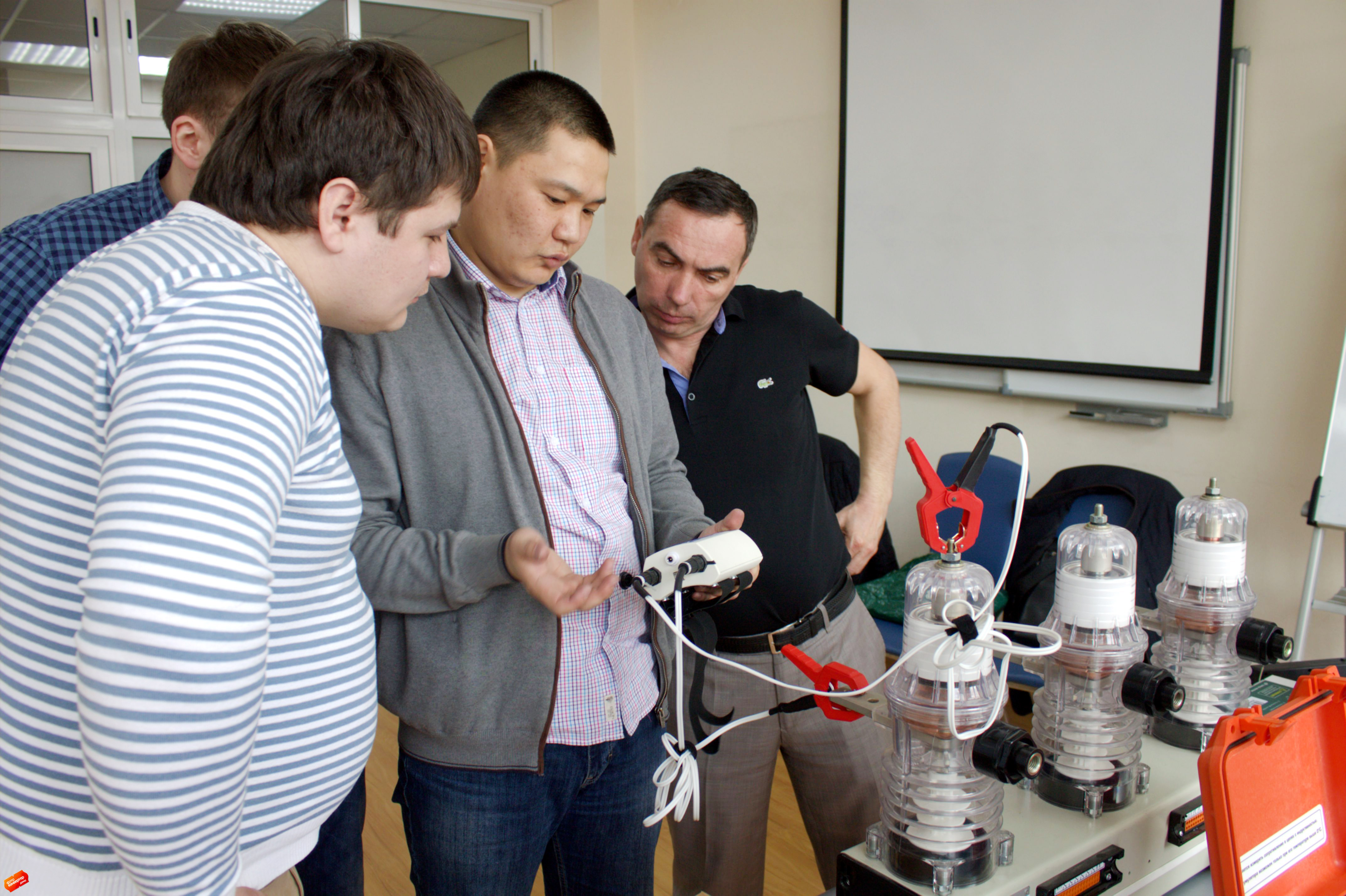
Operation of new instruments MIKO-10 and MIKO-21 was demonstrated on the vacuum BB/TEL circuit breaker. MIKO-21 microohmmeter has an in-built data base of passport values of resistances Rtransient of circuit breaker contacts, and SKB EP specialist demonstrated ability of the instrument to compare the measured value to the passport one, subject to indication of the circuit breaker type. Attendants also liked the option to start measurements against the circuit closing or against the time specified. This option is especially convenient when both hands are busy and cannot push the STARTUP button.
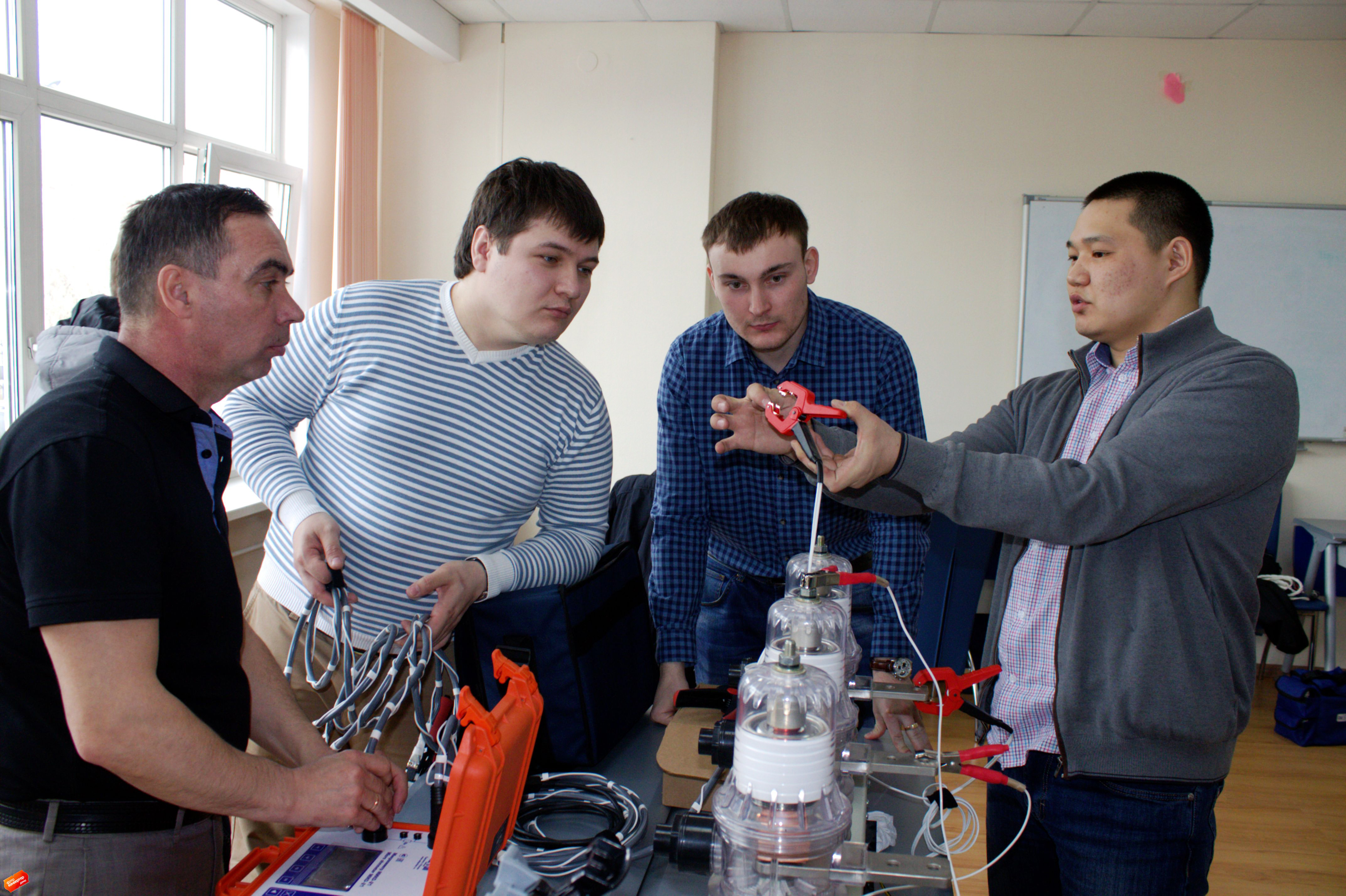
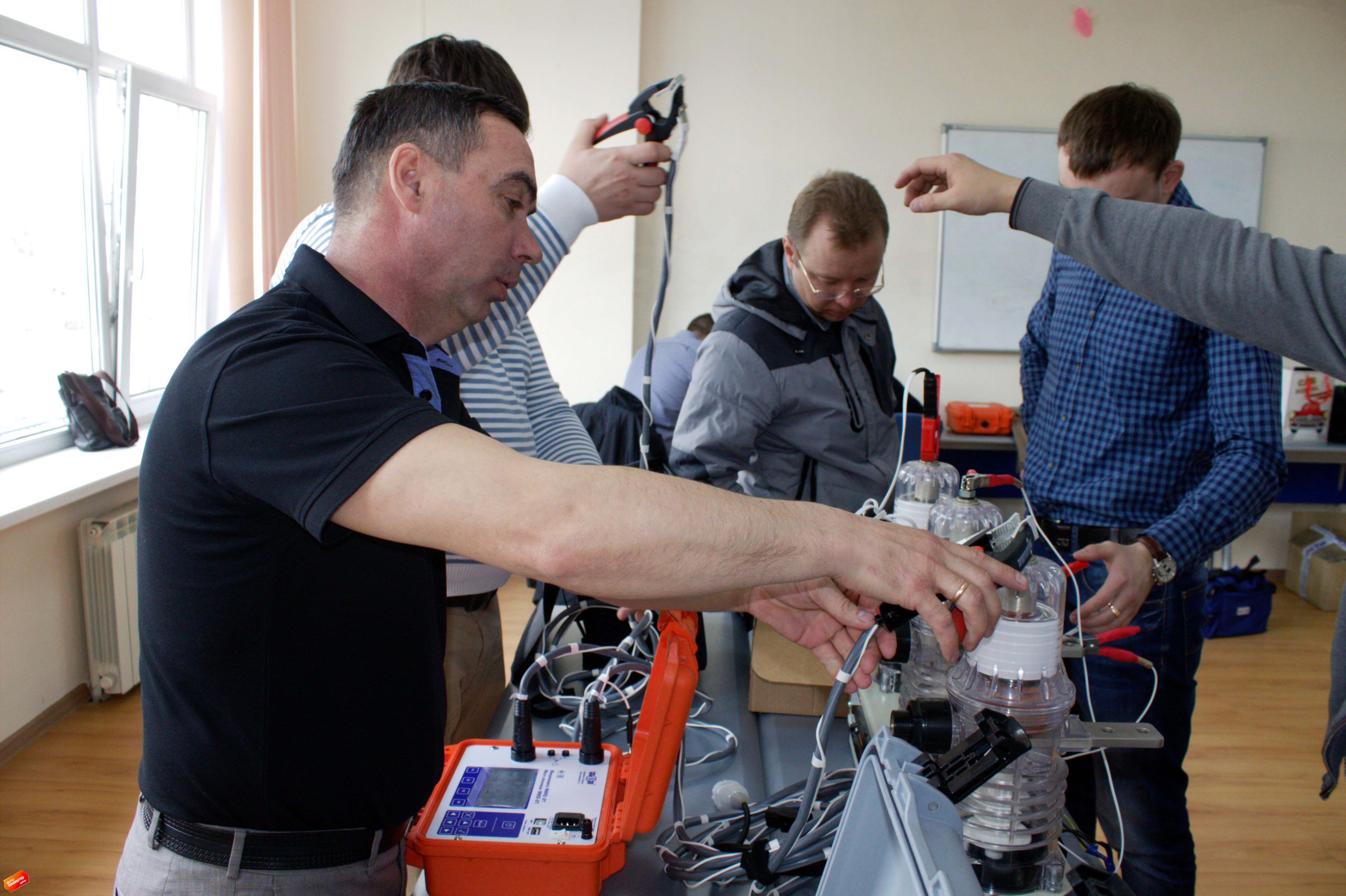
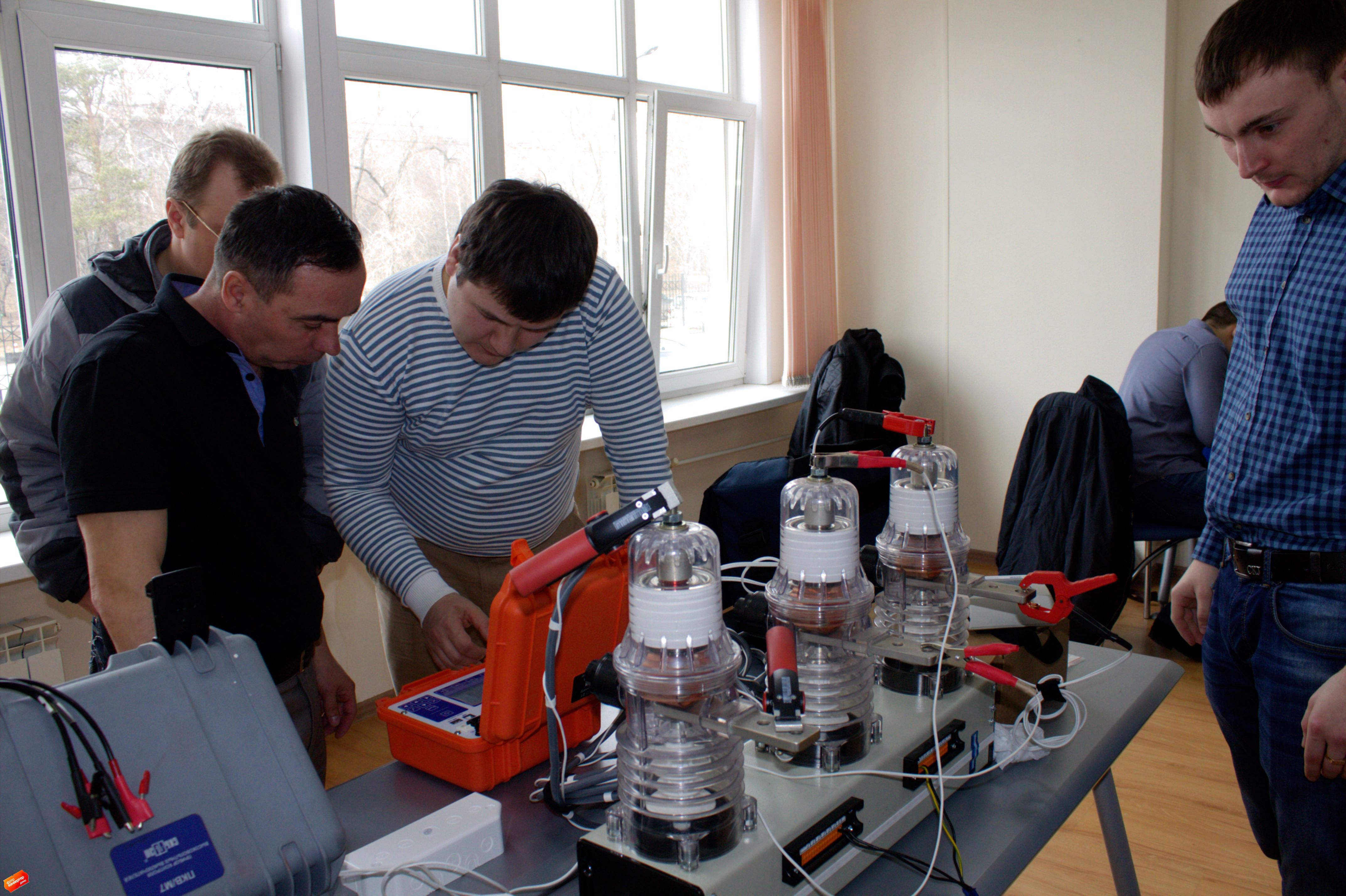
Day 3: Practical training using the SKB EP instruments for high-voltage equipment.
Operation of the MIKO-10 and MIKO-21 on the BB/TEL vacuum circuit breaker.
Operation of the PKV/M6N analyzer for HV circuit breaker control was demonstrated on the HV circuit breaker VK-10.
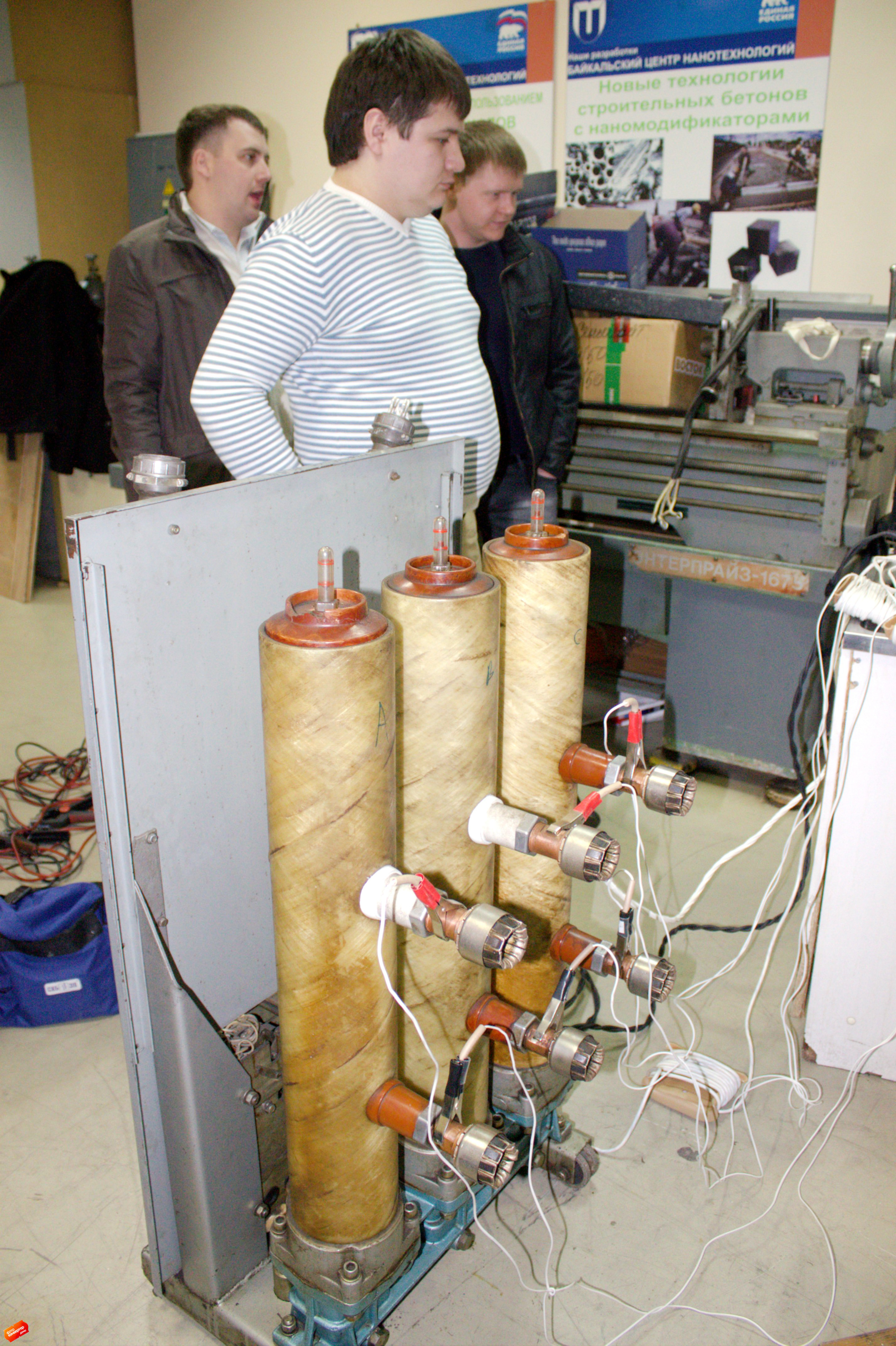
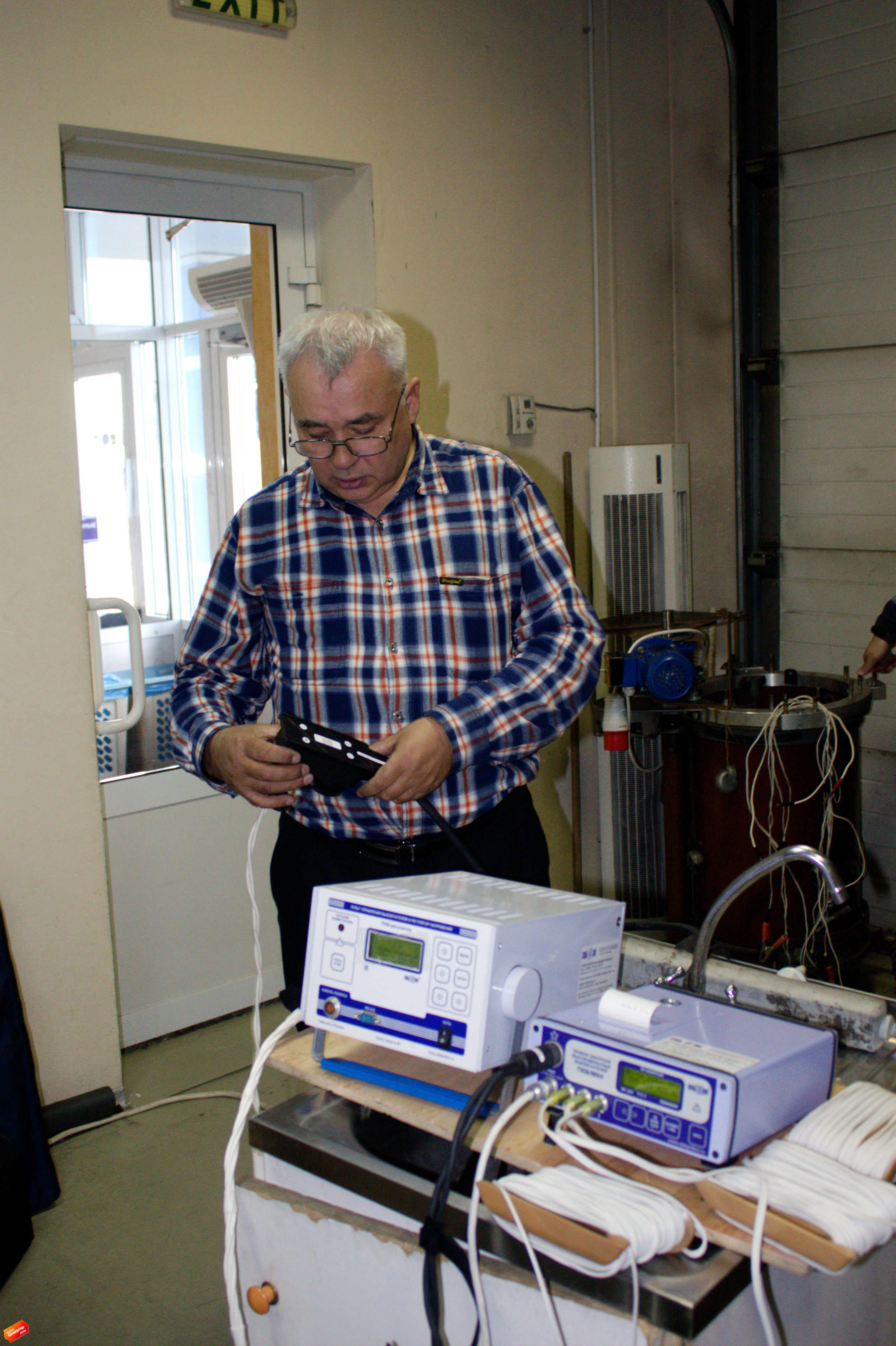
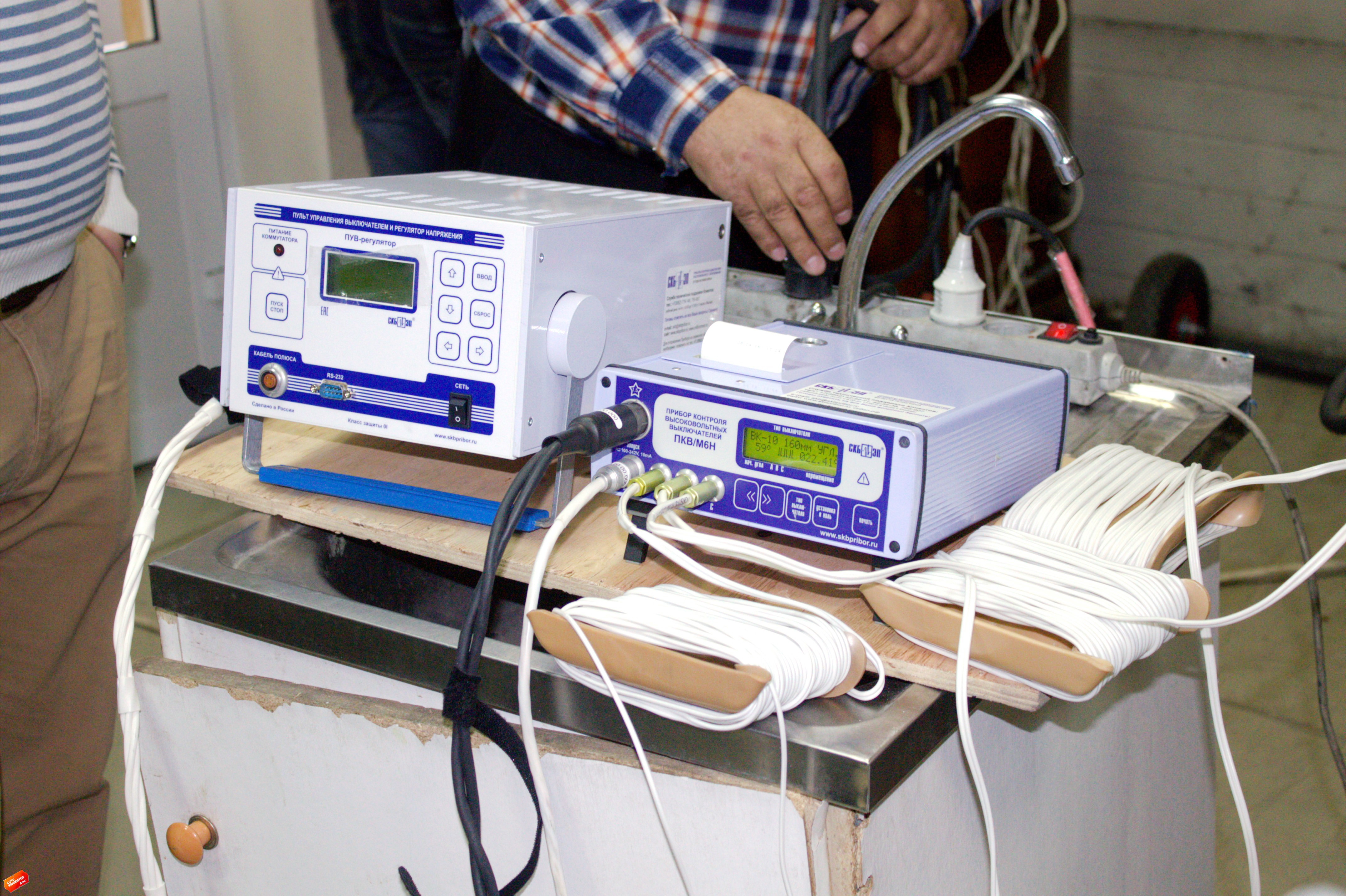
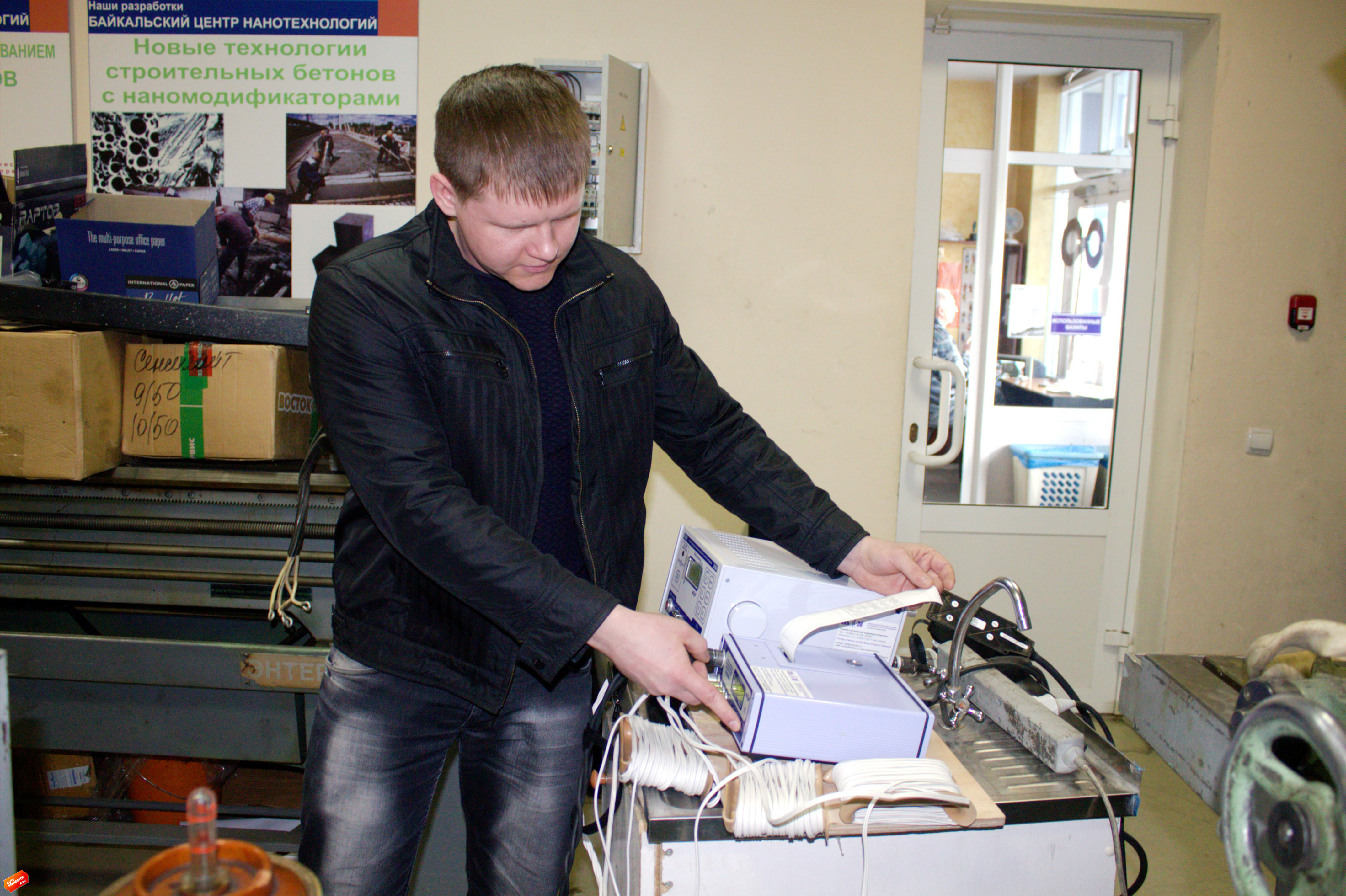
Day 3: Practical training using SKB EP instruments for high-voltage equipment.
The PKV/M6N and PUV-controller operation on the VK-10 circuit breaker.
In the course of the instrument use a special terminal block was used that ensured maximum convenience of the PKV family instruments connection (it can be done from one of the control panels for the PUV family) to the VK-10 circuit breaker,and an adapter to the power cable with a rectifier of up to 32A. A terminal block has sockets for connection to the VK-10 circuit breaker control terminals and is included into the PKV instrument kit upon a separate order (as well as an adapter).
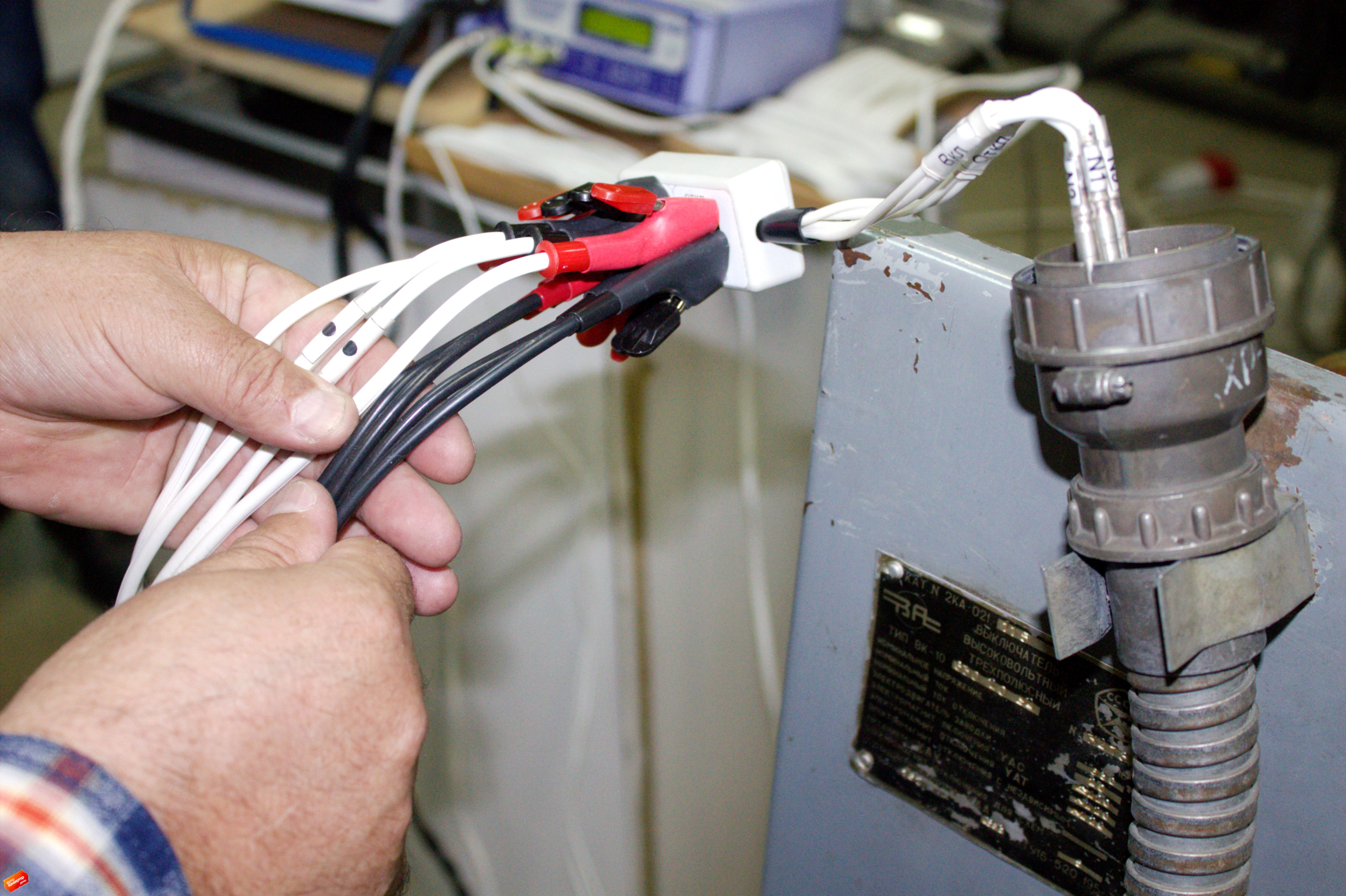
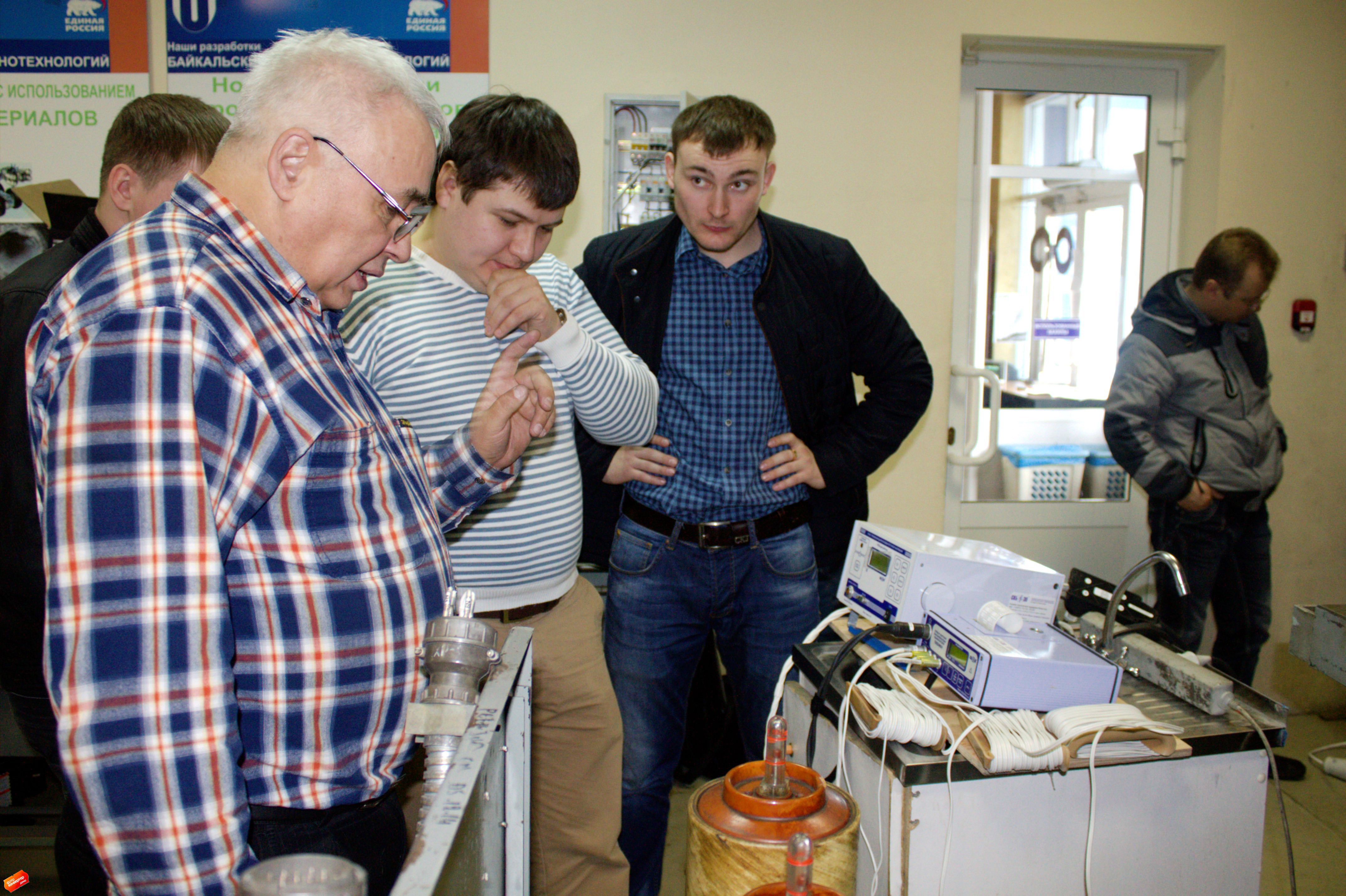
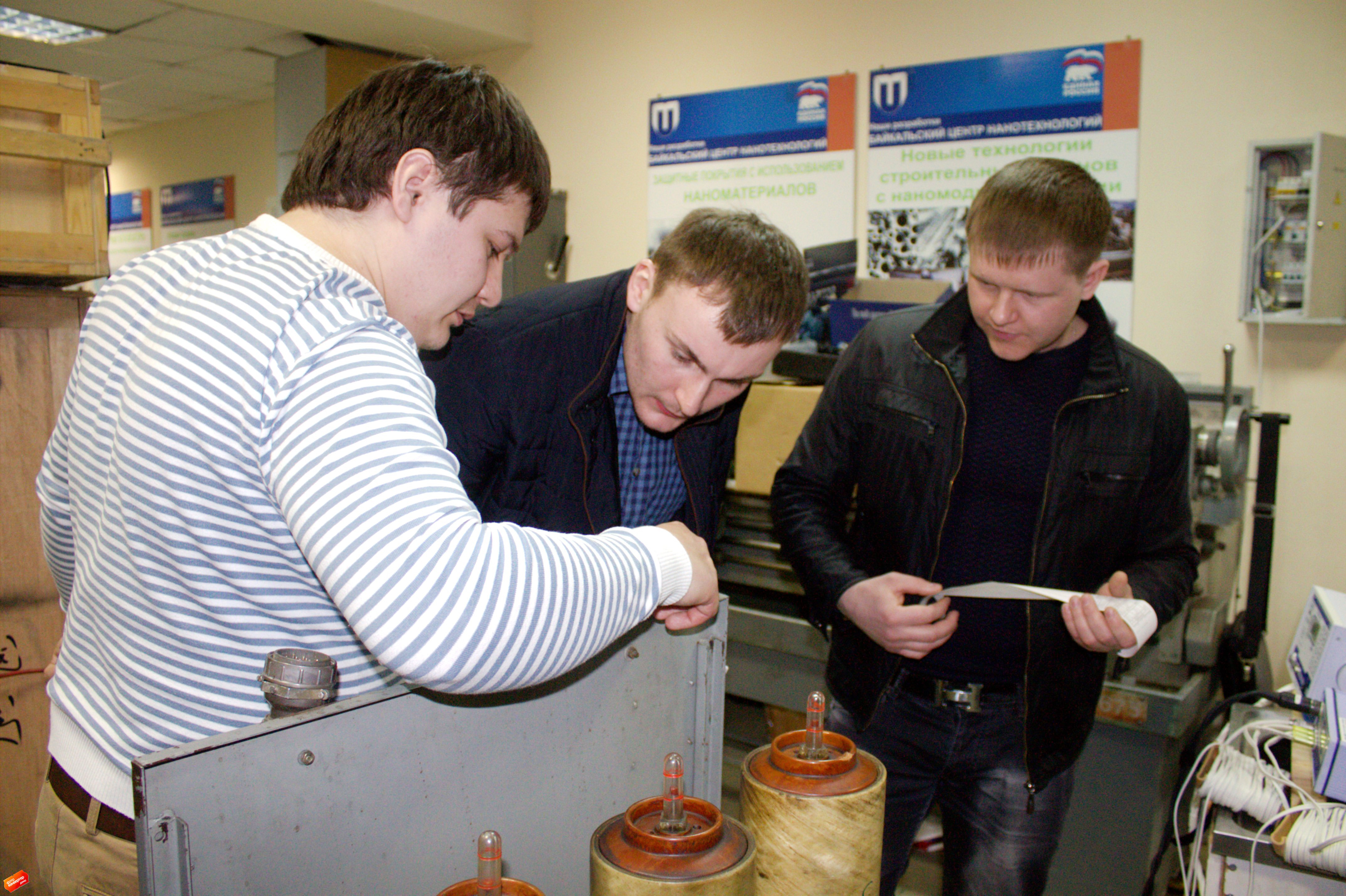
Day 3: Practical training using the SKB EP instruments for high-voltage equipment.
Demonstration of a special terminal block for the VK-10 circuit breaker.
The second group was working with the PKR-2 instrument for the transformer OLTC testing on the OLTC contactor of RS-4 type.
The PKR-2M instrument is intended for destructive testing of technical condition of the OLTS devices of both resistor and reactor types, as well as for non-destructive testing that allows OLTC diagnosis with current-limiting resistors without removing the contactor tank cover (DRM-test).
Demonstrated was the procedure of the instrument connection, procedure of testing in destructive and non-destructive modes, correct and incorrect graphic results of the contactor resistors diagnostics (oscillography). Workshop attendants were able to practically assess the convenience of performing the DRM test of the OLTC device.
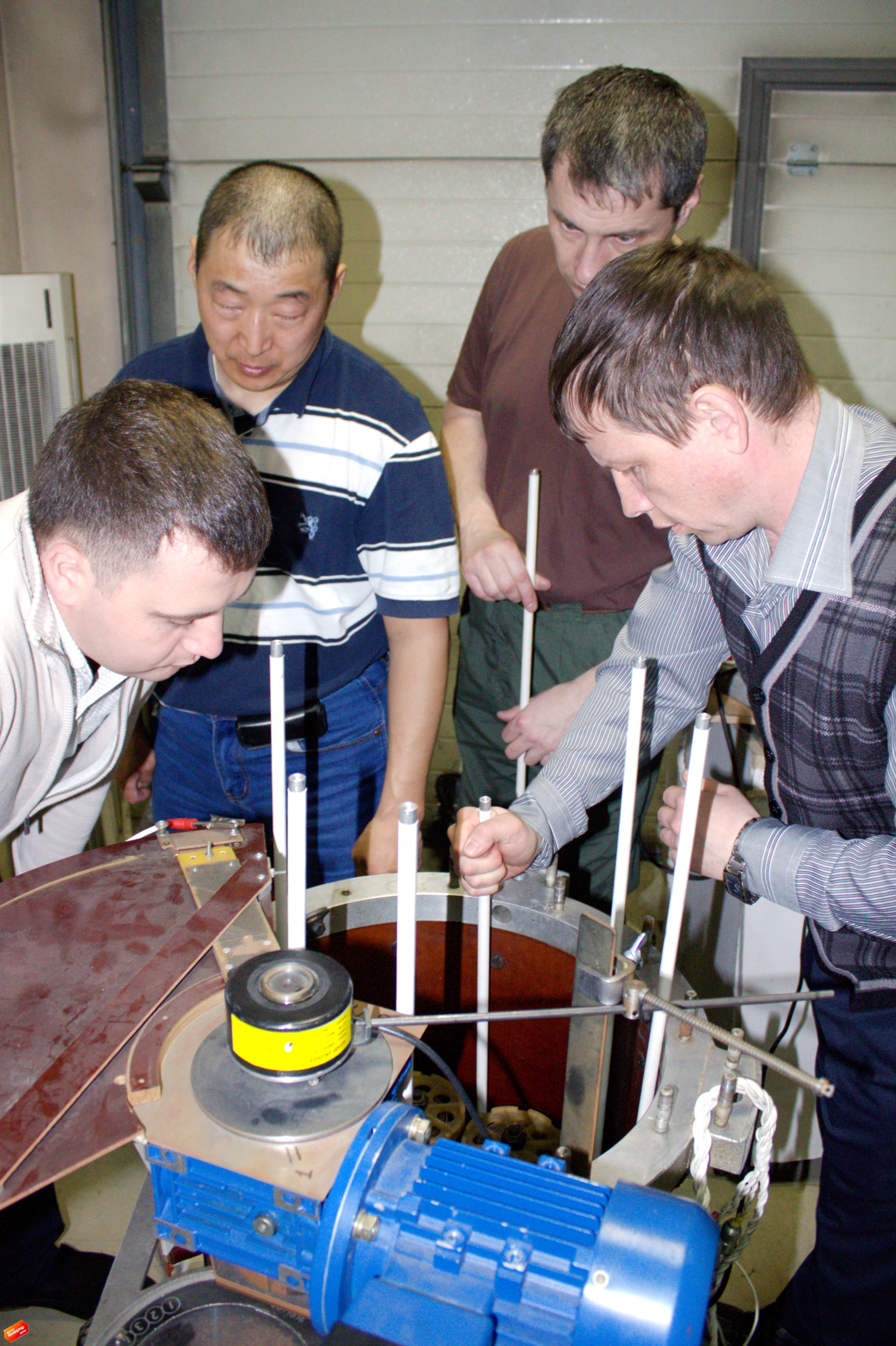
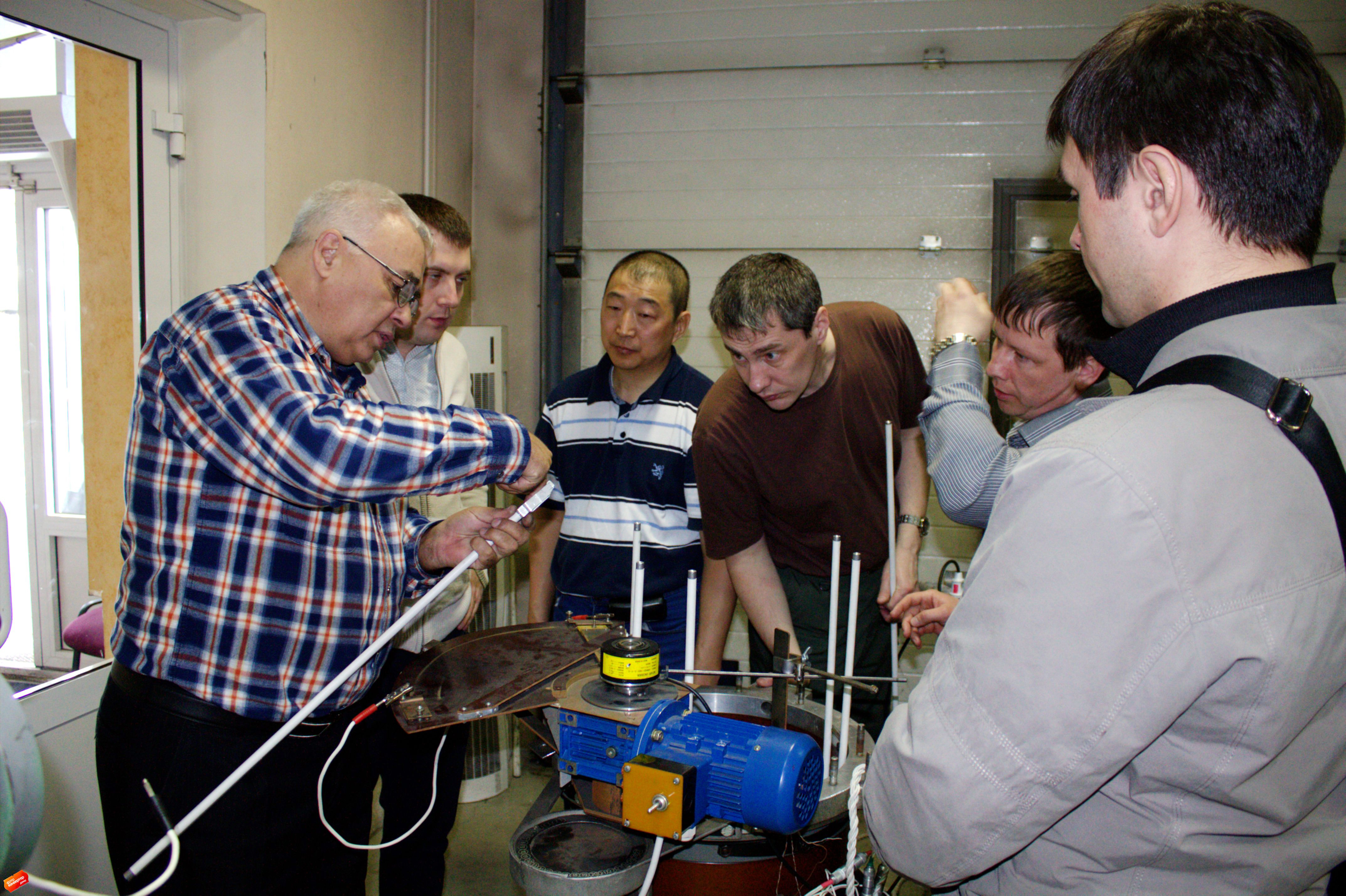
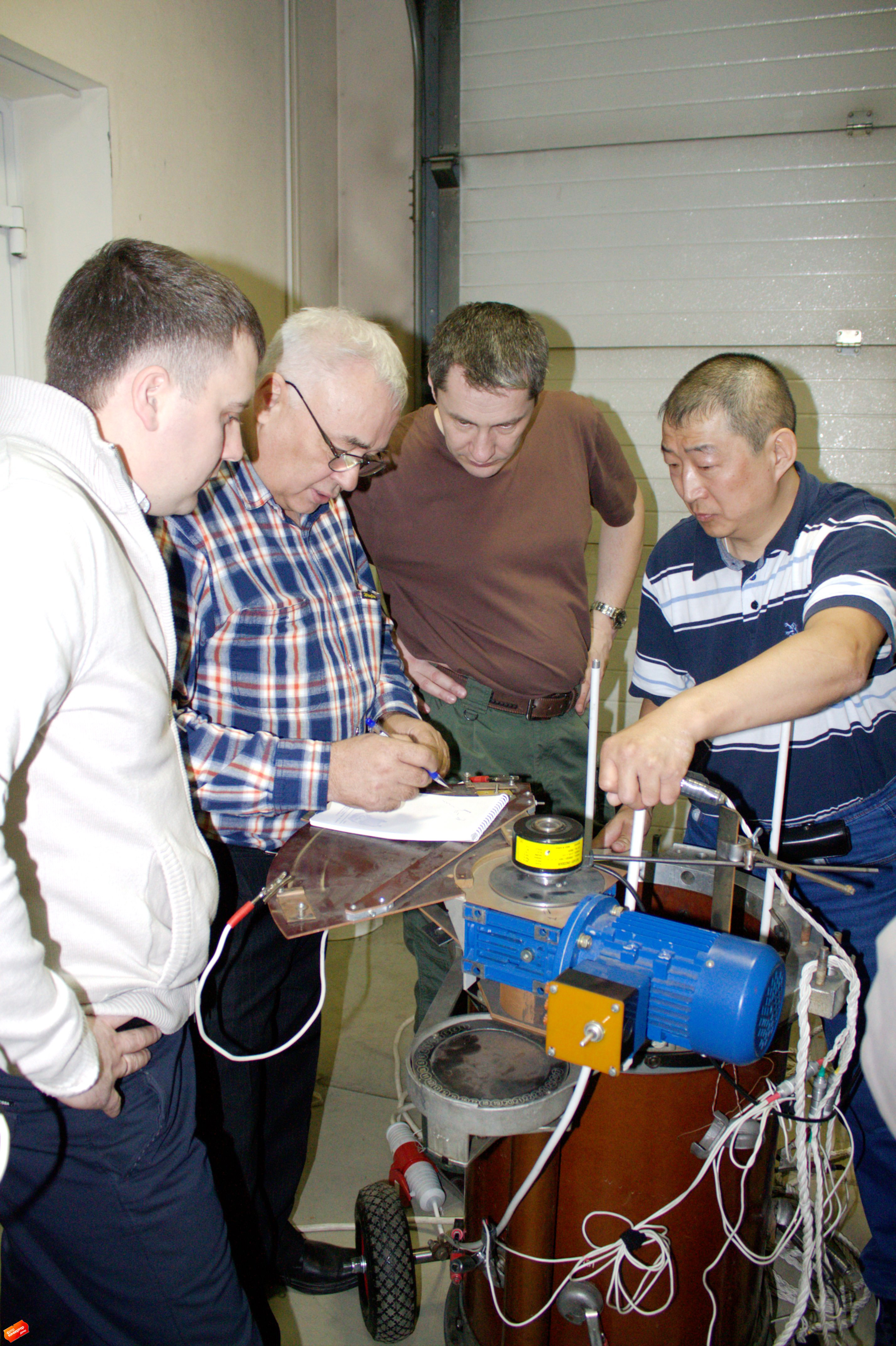
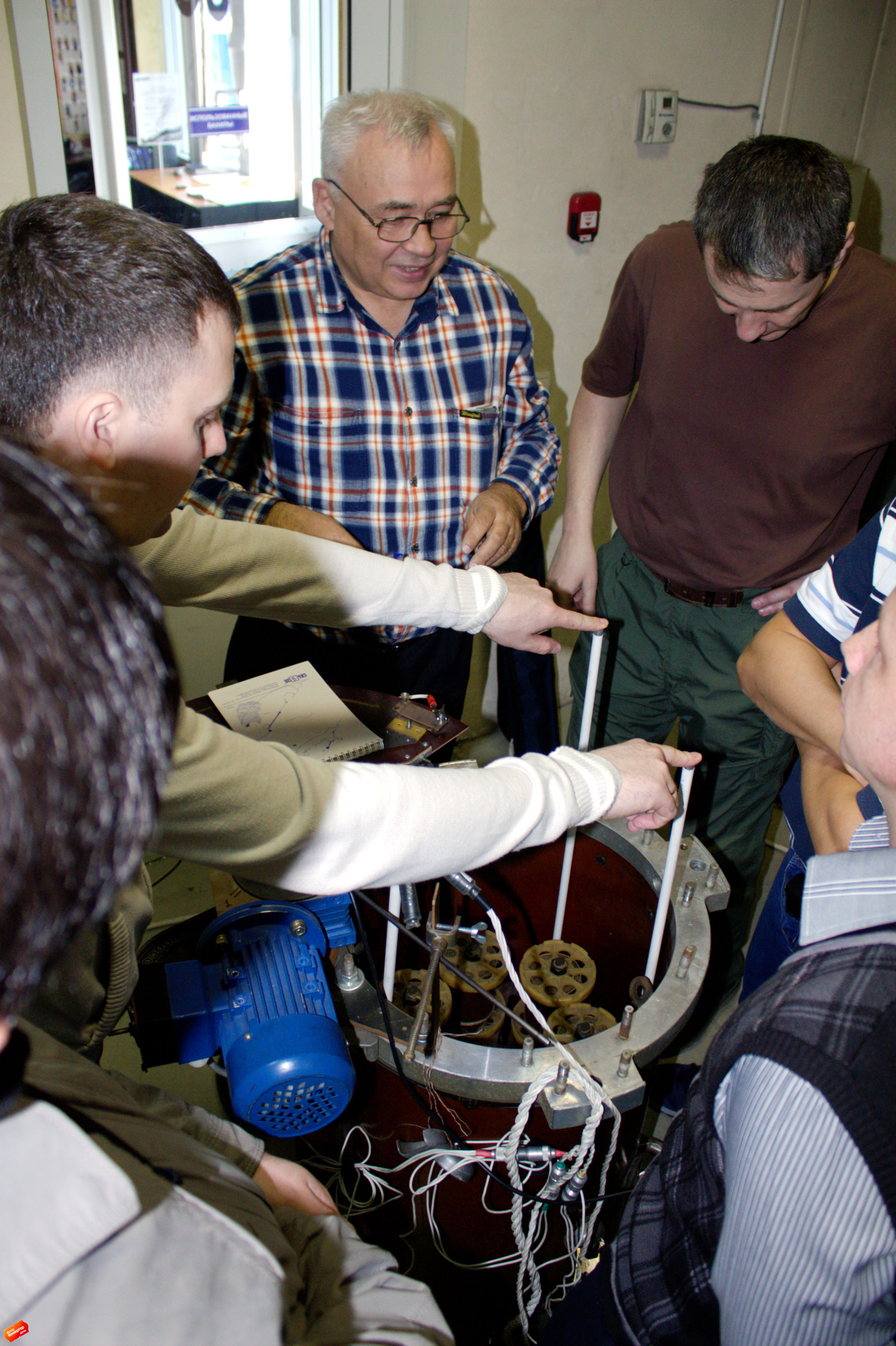
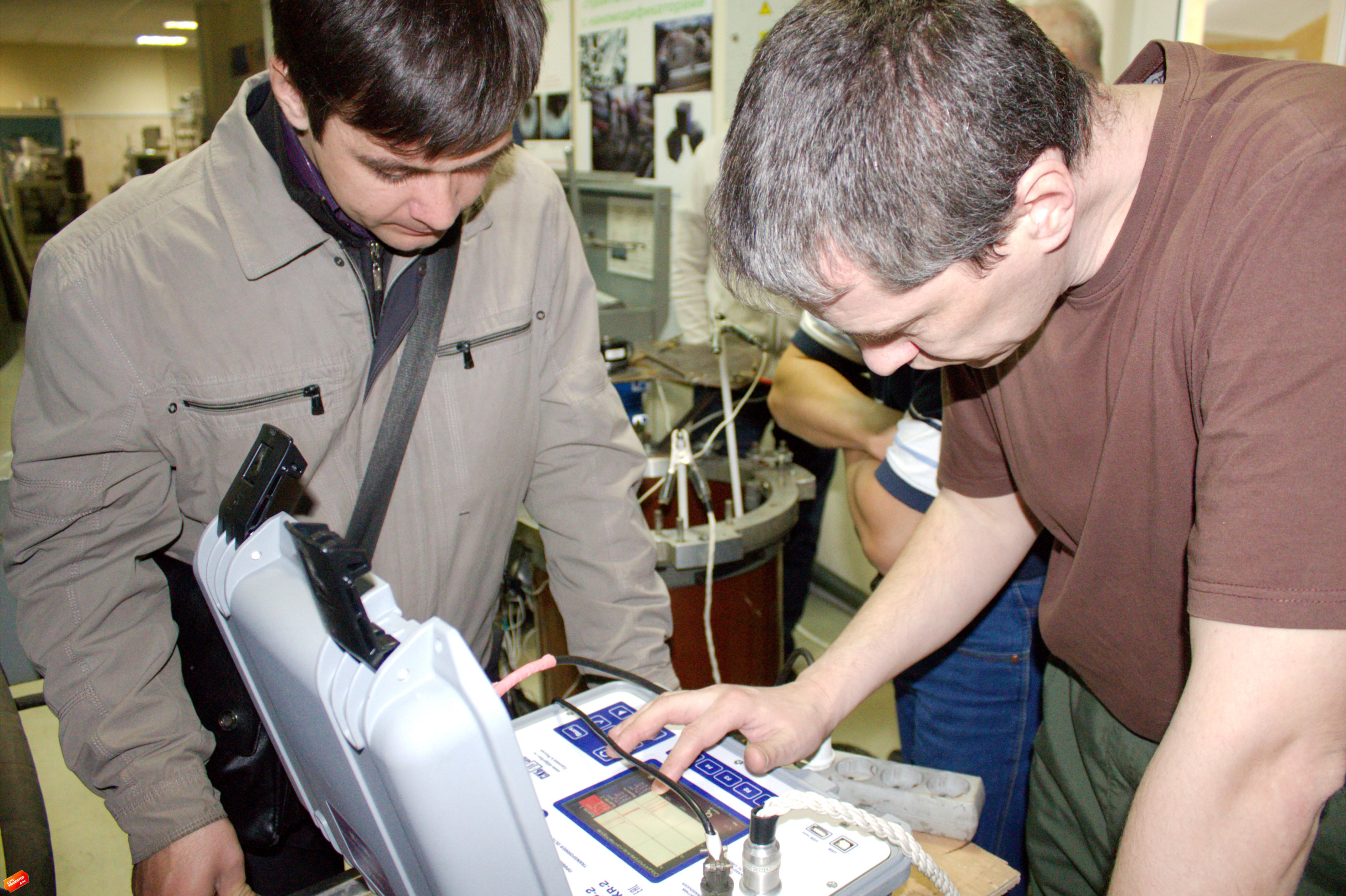
Day 3: Practical training using SKB EP instruments for high-voltage equipment.
The PKR-2M use on the OLTC contactor of PC-4 type.
Program of the third day provided for active participation of attendants in practical work. All the people were initiative, asked questions and shared the experience.
Upon termination of the third day they gave video-references on the workshop and equipment (this information is in process, follow the website updates or get information at the SKB EP channel of YouTube).
Upon termination of the workshop the attendants were examined and got the Certificates.
SKB EP Company thanks everybody for participation!
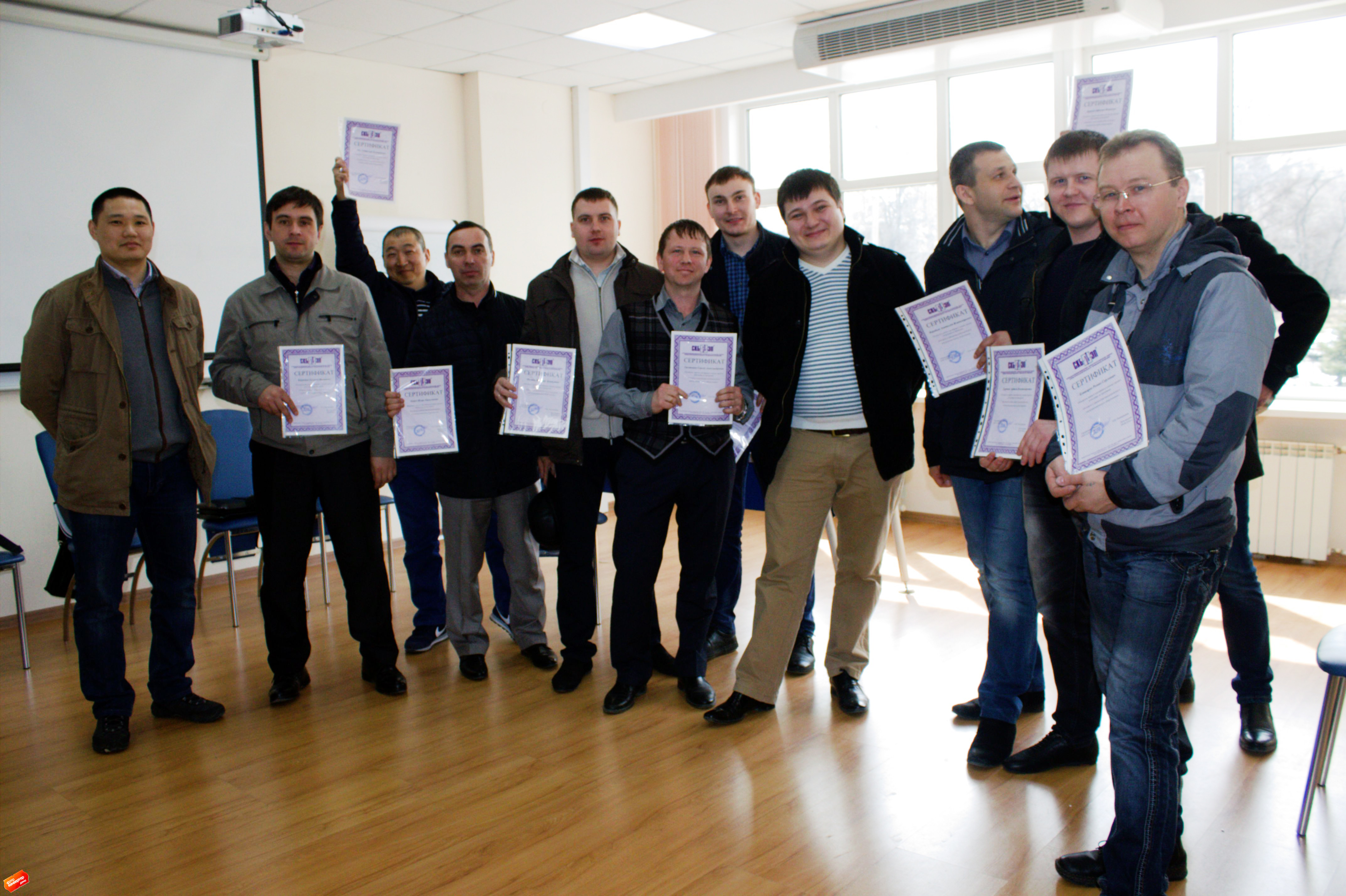
Owing to tough schedule of the workshop the participants mastered the procedure of HV equipment condition diagnostics and interpretation of the results of measurements.
If you are interested in more detailed study of the instruments, the SKB EP Company can hold training workshops for specialists of your Company. The workshop program will be customer-oriented, i.e., developed with account of procured instruments and/or instruments the customer is interested in, and of the available equipment for diagnosis. You can make an order for the workshop by sending email to skb@skbpribor.com , and our specialists will contact you.